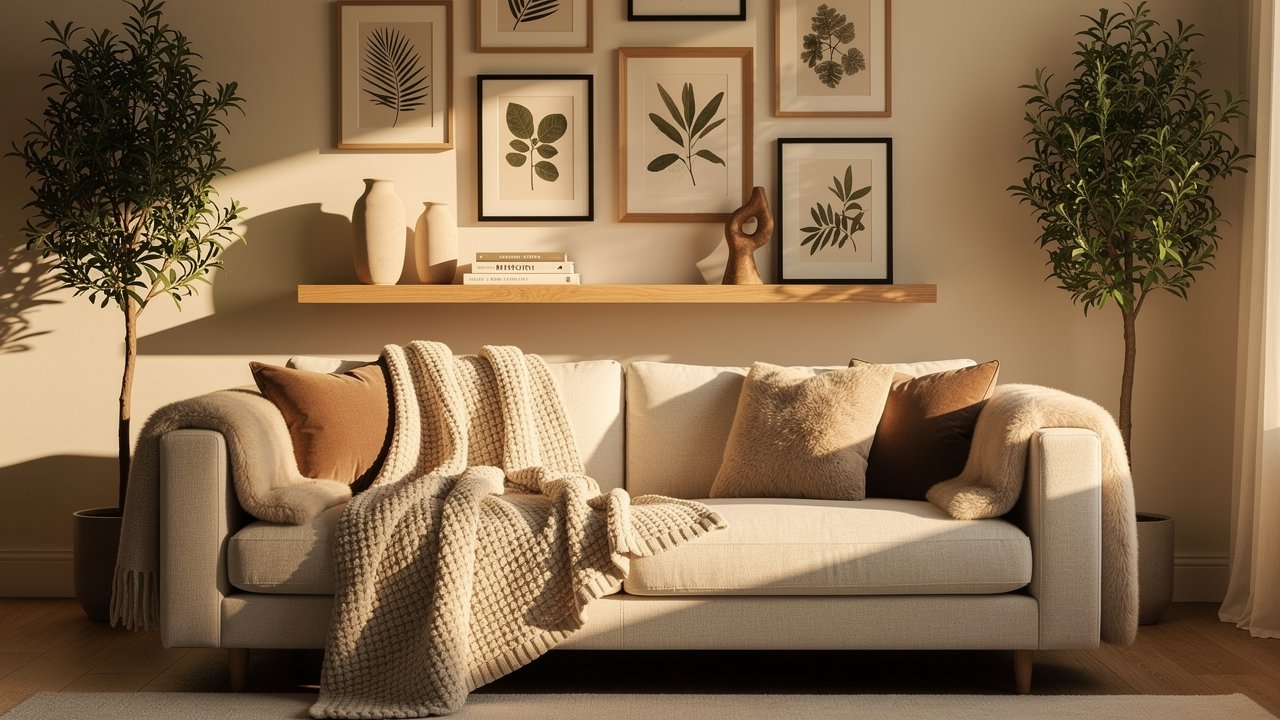
The Monochrome Living Room Problem: Why 'Matching' Feels Empty
We've all seen it—the Instagram-perfect living room where every piece of furniture matches perfectly, the color palette is technically cohesive, and yet something feels fundamentally lifeless. The sofa is gray. The chairs are gray. The throw pillows are gray. The coffee table is gray-toned wood. It's coordinated. It's tasteful. It's also emotionally hollow.
This is the curse of the matching furniture set era. For decades, interior design stores sold us the idea that a "complete living room" meant buying a sofa, loveseat, and two chairs in the same fabric, arranged in the same style, with complementary side tables selected from the same collection. The result? Rooms that feel like showrooms, not homes.
The problem isn't coordination—it's the absence of contrast. A living room needs friction. It needs visual surprise. It needs places for your eye to rest, places for it to travel, textures that make you want to touch the room as much as look at it. Without texture variation, even a well-appointed space with expensive furniture and perfect wall color feels oddly flat and uninviting.
This is why professional interior designers abandoned the matching-set approach over a decade ago. They discovered something fundamental: texture is the secret ingredient that transforms a coordinated room into a lived-in sanctuary. It's the difference between a living room you photograph for guests and a living room where people actually want to spend three hours on a Sunday afternoon.
Texture as Design Language: What Interior Designers Actually Layer
When designers talk about "layering texture," they're not just throwing random things into a room and hoping it works. They're speaking a specific visual language that creates depth, movement, and sophistication without requiring more furniture or a bigger budget.
Think about texture as the silent communicator in your space. While color and pattern grab your attention, texture tells your nervous system whether a room feels warm or cold, chaotic or organized, expensive or budget-friendly. A room with five different textures carefully balanced feels intentional and curated. A room with two textures feels incomplete. A room with twelve textures with no cohesion feels chaotic.
"Texture is what makes people want to sit down and stay. It's the difference between a beautiful room and a beloved room."
Here's what's really happening when a designer walks into a boring living room: they're not thinking about what to add. They're thinking about what texture combinations already exist and what's missing. They see your smooth upholstery and ask, "What rough texture would contrast beautifully here?" They see your hard surfaces and ask, "Where does this room need softness?" They see uniform colors and ask, "Which textures could add visual weight and sophistication?"
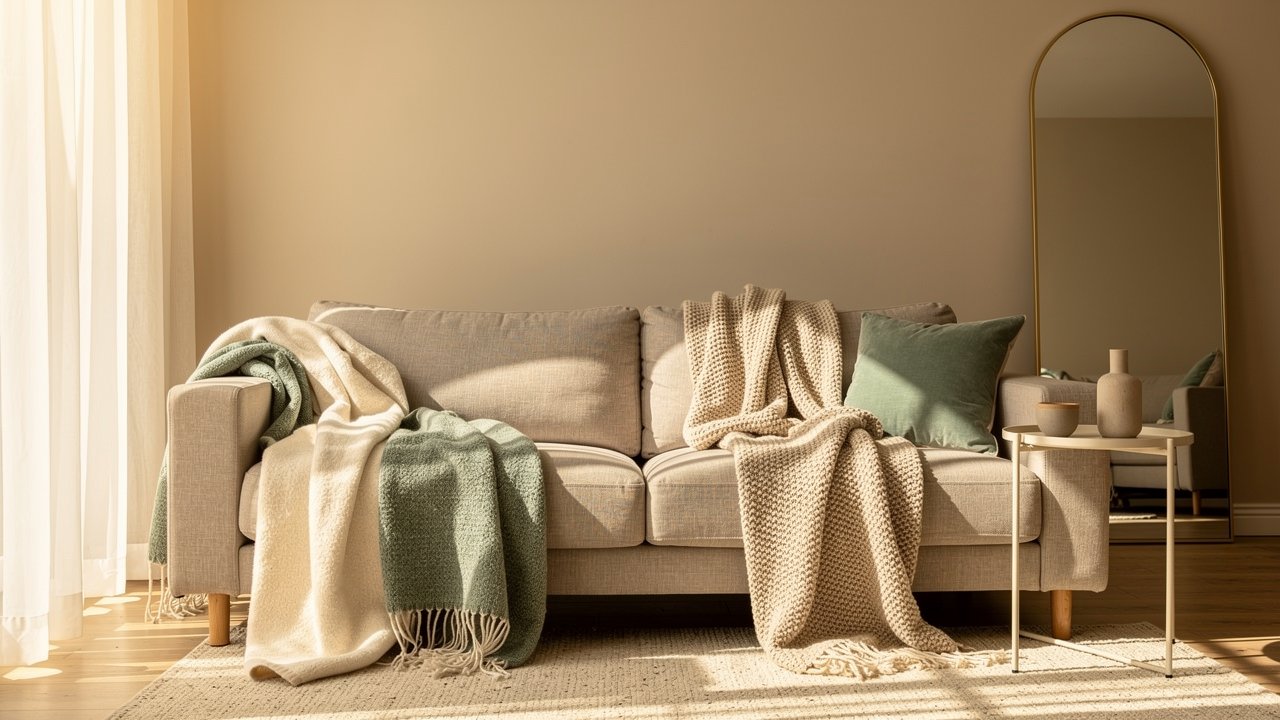
The magic happens in the contrasts. Smooth silk pillow against a chunky knit throw. Polished wood table next to a woven jute rug. Cool metal lamp base against warm linen upholstery. Hard plaster wall beside soft faux fur. These combinations create visual interest that color alone simply cannot achieve.
The best part? You don't need to redesign your entire room. You need to understand the texture categories and how to balance them strategically.
Enjoying this article?
Get curated picks in your inbox every Sunday.
The Three Texture Categories That Work Together (With Examples)
Soft Textures: Your Room's Comfort Foundation
Soft textures are what make a room feel like a sanctuary. These include fabrics like linen, cotton, wool, fleece, velvet, and faux fur. They communicate comfort, warmth, and invitation. A living room without soft textures feels institutional.
The key is varying the type of softness. A chunky knit throw blanket provides different visual and tactile interest than a smooth cotton throw pillow. Both are soft, but they create different effects. Fleece feels different than linen. Velvet feels different than wool. Layer these variations, and suddenly your soft zone isn't boring—it's rich and inviting.
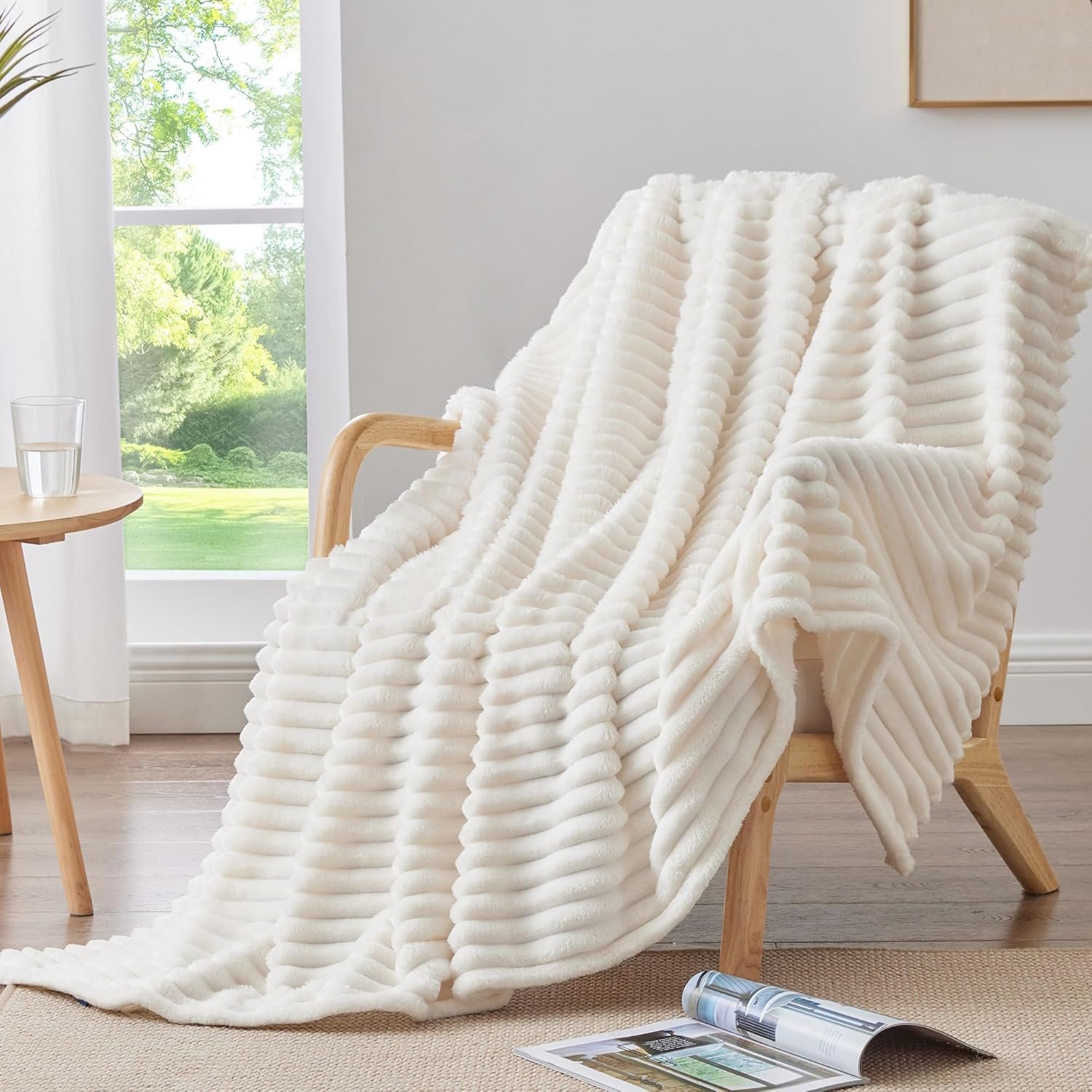
BEDELITE Fleece Throw Blanket for Couch
$11.64
A lightweight fleece option that layers beautifully over sofas without bulk. The smooth finish contrasts perfectly with rougher textures like linen or jute.
See Today’s Price →For a more structured softness, the Newwiee Waffle Textured Fleece Throw adds dimensional interest with its 3D pattern. This is crucial: a flat throw blanket reads differently than one with visible texture and dimension. The same goes for pillows—a plain velvet pillow is soft but flat, while a quilted soft pillow adds visual structure.
If your living room runs cooler in tone, consider introducing warmer soft textures. Faux fur isn't just for accent pieces—draped thoughtfully over a modern sofa, it adds luxury and contrast without overwhelming the space.
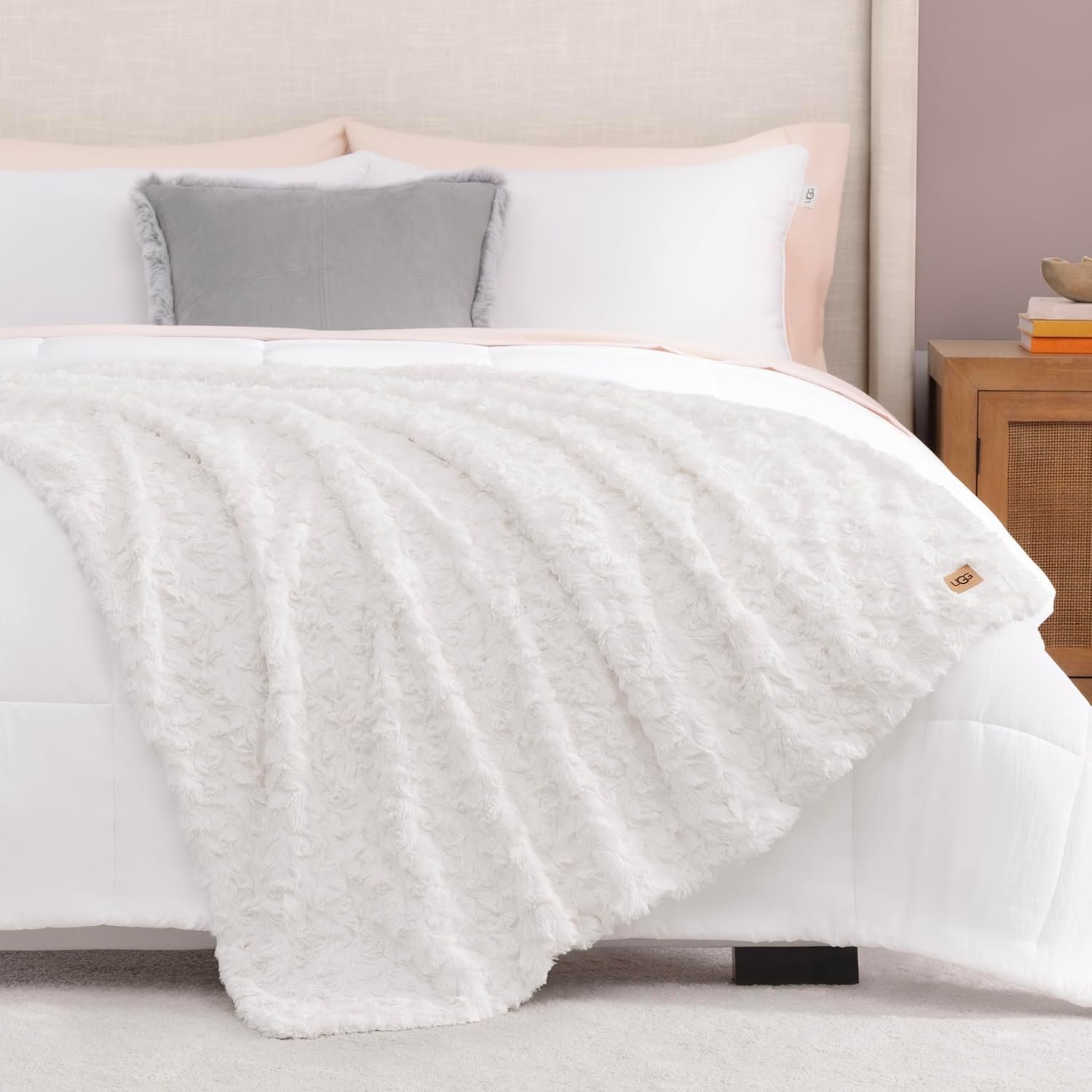
UGG Adalee Faux Fur Throw Blanket
$62.58
Premium faux fur adds unexpected luxury and warmth to modern or minimalist living rooms. The high texture contrast works beautifully against clean-lined furniture.
See Today’s Price →Hard Textures: Creating Visual Weight and Structure
Hard textures include wood (polished or weathered), metal, stone, concrete, glass, and ceramic. These create visual weight and anchor a room. Without them, a space feels weightless and impermanent. Hard textures are what make a room feel grown-up and intentional.
The variety matters here too. Polished brass reads completely differently than matte black metal. Smooth marble reads differently than rough stone. Sleek glass reads differently than carved wood. When you layer hard textures—say, a polished wooden coffee table next to a concrete planter next to a brass lamp—you create sophistication and depth.
Hard textures are where many people already have options in their existing living rooms: table surfaces, shelf styling, baseboards, and fireplace surrounds. The design challenge is ensuring these aren't all reading the same way. If your entire living room is smooth hard surfaces (polished wood, glass, stone), it can feel cold and slick. Introducing rough hard textures (distressed wood, raw concrete) warms it up while maintaining structure.
Medium Textures: The Connecting Thread
Medium textures are the unsung heroes of layering. These include woven materials (jute, sisal, rattan, wicker), nubby textiles (linen, burlap, tweed), and naturally textured materials (leather, cork, bamboo). They bridge the gap between soft and hard, providing both visual interest and practical function.
A jute rug grounds a room and adds warmth without competing for attention. A woven wall hanging adds dimension and softness without being as dominant as a large tapestry. Wicker storage baskets add texture and function simultaneously. Rattan side tables blend hard and medium textures in ways that feel organic.
The most successful living rooms use medium textures as connectors—they appear multiple times throughout the space, creating cohesion while each application (rug, wall hanging, furniture) looks different.
How to Start Small: A Living Room Texture Audit & Simple Swaps
You don't need to overhaul your living room to benefit from texture layering. Start with an audit.
Step 1: Identify your existing textures. Walk into your living room and literally list what you see. Your sofa upholstery. Your rug. Your curtains. Your hard surfaces. Your wall texture. Your decorative objects. Be specific: "smooth linen sofa," "smooth wood coffee table," "polished drywall," not just "furniture" and "walls."
Step 2: Identify texture gaps. Are you missing soft textures? Hard textures? Medium textures? Most under-designed living rooms are missing the medium category entirely. They have soft furniture and hard tables but nothing woven or nubby in between.
Step 3: Make one strategic swap. Don't redesign everything at once. If your living room is very smooth, add a single textured throw blanket or a woven accent pillow. If it's very hard and cold, add a plush throw. If it's all soft, introduce a hard sculptural object—a ceramic vase, a brass bowl, a wooden carving.
This approach works because it's reversible, low-risk, and immediately transformative. A $30 throw blanket can genuinely change how a living room feels. So can a single woven basket on a side table or a textured wall hanging.
"The best texture addition is one you can move, adjust, or change. Start with throws, pillows, and small objects. Once you see how texture transforms your space, you'll feel confident making larger moves."
Common Texture Mistakes That Feel Chaotic (And How to Avoid Them)
Mistake 1: Mixing too many patterns alongside too many textures. Texture and pattern are different, but they interact. A room with a patterned rug, patterned pillows, patterned curtains, and patterned wall art feels chaotic, even if each texture is beautiful. The rule: if you're adding multiple textures, keep patterns minimal. If you love patterns, limit textures to two or three.
Mistake 2: Using textures that don't contrast enough. A smooth linen sofa with smooth linen curtains and a smooth linen area rug is coordinated but boring. You need actual contrast. Pair that smooth linen sofa with a chunky knit throw, a woven rug, and a hard wooden accent table. Now you have interest.
Mistake 3: Forgetting that scale matters. A single small throw pillow with a nubby texture doesn't read as a texture layer—it reads as an afterthought. You need enough of a texture to register visually. A throw blanket draped over a sofa is substantial enough to matter. A single decorative object might not be.
Mistake 4: Ignoring the role of negative space. A room stuffed with every texture available feels chaotic. Your eye needs places to rest on simpler surfaces. If you layer texture heavily on your sofa (multiple different throw pillows and blankets), keep your walls and coffee table simpler. Balance is everything.
Mistake 5: Choosing textures that don't suit your lifestyle. A room with white velvet, cream linen, and pale wool might look beautiful for fifteen minutes before anyone sits down. Choose textures that can handle real life—that can be lived in, sat on, touched, and occasionally stained without catastrophic results.
Building Your Layered Look: A Room-by-Room Application Guide
The Sofa Zone
This is where most people start because it's visible and impactful. Your sofa is likely your largest soft texture. Don't let it be your only one. Layer a throw blanket in a different soft texture than your upholstery. If your sofa is smooth (velvet, leather, sateen), choose a throw that's chunky or nubby. If your sofa is already textured (linen, linen blend), choose a throw that contrasts—sleek and smooth or dramatically fuzzy.
Add throw pillows in at least two different textures. A smooth velvet pillow next to a quilted linen pillow creates visual interest. Include one or two pillows in medium textures—a woven hemp pillow or a leather accent pillow.
The Wall and Vertical Space
Walls are often forgotten in texture conversations, but they're crucial. If you have smooth drywall (most of us do), you're missing vertical texture. This is where wall art, mirrors, and sculptural pieces come in. A set of framed botanical prints adds subtle dimension through the frame material and visual interest through the imagery.
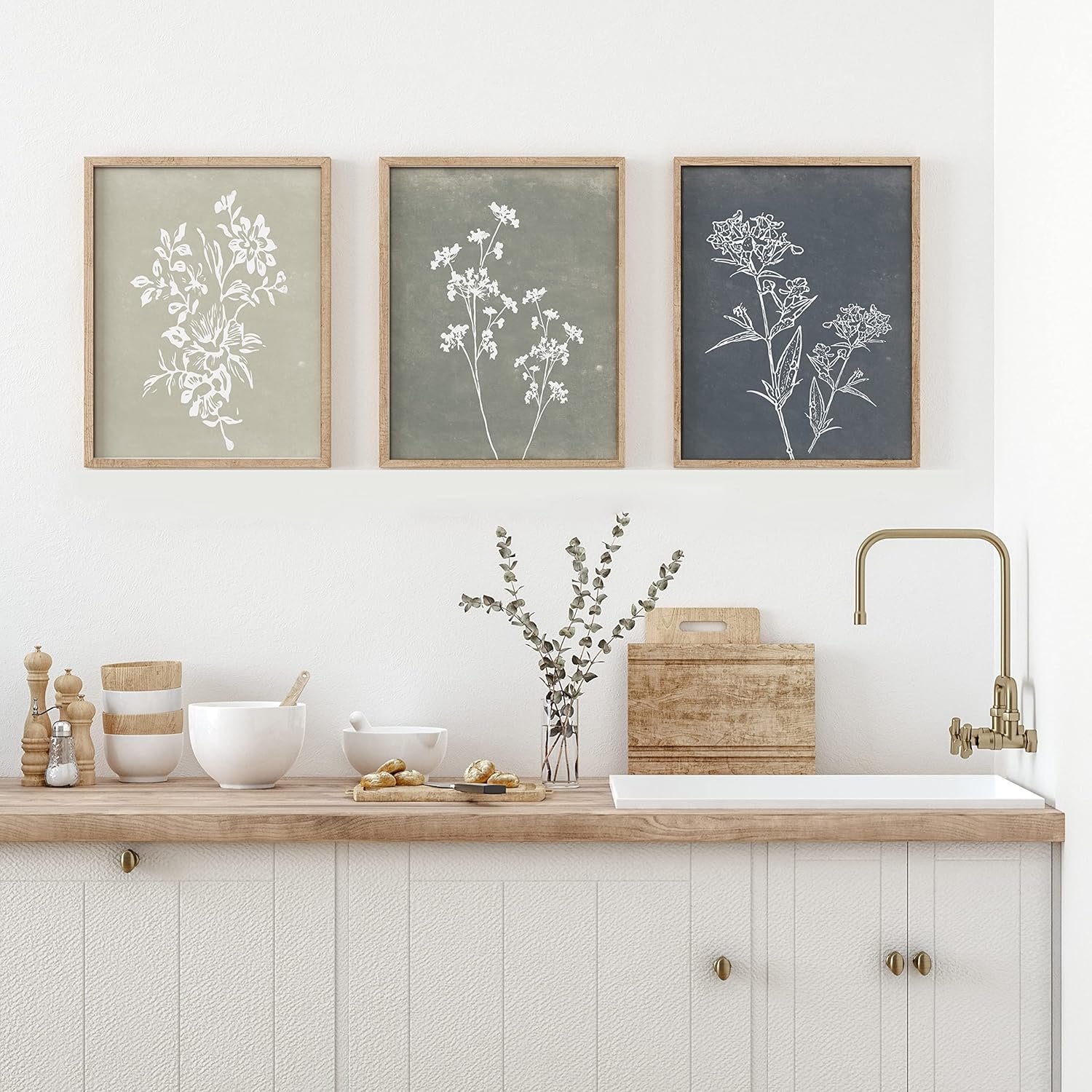
Framed Boho Wall Art Set of 4
$33.93
Wood-framed botanical prints add warmth and medium texture to blank walls. The natural frames bridge hard and natural textures without overwhelming minimalist spaces.
See Today’s Price →Consider a woven wall hanging, a macramé piece, or a textured tapestry. Even a large piece of driftwood or a sculptural branch adds organic texture. The key is ensuring these feel intentional, not cluttered.
The Floor and Rug Situation
Your rug is either adding texture or killing it. A flat, smooth rug contributes nothing. A rug with visible weave, pile variation, or pattern adds dimension. If your furniture is very soft (lots of fabric), a medium-textured rug like jute or sisal creates balance. If your furniture is very hard and minimal, a soft, plush rug makes the space feel more livable.
The Shelf and Surface Styling
Shelves and side tables are where many people miss texture opportunities. A shelf with nothing but books and frames is boring. Mix in objects with different textures: a ceramic vase (smooth or textured), a woven basket, a wooden sculpture, a stone object, a metal sculpture. Vary heights and materials.
The Plant and Natural Texture Element
Live or faux plants add organic texture that's impossible to replicate with manufactured objects. If you don't have a green thumb, a high-quality artificial plant can genuinely improve a room's texture balance. A tall faux tree with realistic foliage adds vertical dimension, organic texture, and psychological comfort.
Get picks like these in your inbox.
Join our Sunday newsletter — curated finds matched to your style.