The Thread Count Trap: Why We Obsess Over the Wrong Thing
Let's start with the uncomfortable truth: the sleep industry has lied to you. For decades, the narrative has been consistent and seductive—upgrade your sheets, chase that higher thread count, invest in Egyptian cotton, and suddenly you'll sleep like royalty. Retailers have built empires on this myth, and we've all bought into it.
Here's what nobody tells you: thread count is largely marketing theater. Beyond 400-600 threads per inch, you're paying exponentially more for returns that diminish rapidly. A 1000 thread count sheet isn't twice as good as a 500 thread count sheet. It's often worse—denser fabric traps more heat, suffocates your skin, and ironically makes you sleep worse.
But that's not even the real problem. The real problem is that while you're researching Egyptian cotton staple length, you're ignoring the single most powerful variable in your sleep environment: light.
Light controls your circadian rhythm. Light suppresses melatonin production. Light determines whether your brain thinks it's 2 PM or 2 AM. Light is the foundational architecture of sleep quality, and most bedroom designs completely botch it. You can have the world's most luxurious sheets and still lie awake at night because your ambient lighting is wrong.
"Light is the foundational architecture of sleep quality. You can have luxury sheets and still lie awake because your ambient lighting is broken."
This isn't speculation. It's neurochemistry. And once you understand it, you'll redesign your bedroom with completely different priorities.
How Light Regulates Sleep (and Why Designers Know This)
Your body contains photoreceptors in your eyes that aren't primarily responsible for vision—they're responsible for detecting light intensity and color temperature. These specialized cells tell your brain whether it's daytime or nighttime, which triggers cascading hormonal responses.
When you're exposed to bright blue-spectrum light (like morning sunlight or your phone screen), your brain suppresses melatonin and increases cortisol. You feel alert. This is useful at 7 AM. It's catastrophic at 11 PM.
Conversely, when your environment transitions to warm, dim lighting in the evening, your body naturally increases melatonin production. Your core temperature drops. Your metabolism shifts. Sleep becomes physiologically possible.
Most bedrooms fail this test completely. They either blast overhead lighting (bright, blue-spectrum, ceiling-mounted nightmares that scream "office building") or they leave the room dark until bedtime, creating an abrupt transition that confuses your circadian system.
Professional hotel designers learned this decades ago. Luxury hotels don't compete on thread count—they compete on lighting design. They use layered lighting systems that allow guests to gradually transition from day to night, controlling light intensity and warmth throughout the evening. This is why hotel rooms feel so restful. It's not the thread count. It's the light.
Interior designers who specialize in sleep environments understand that light should be dynamic, not static. Your bedroom needs different lighting for different times of day and different activities (getting dressed, winding down, sleeping). A single overhead light can't accomplish this. Neither can darkness.
Enjoying this article?
Get curated picks in your inbox every Sunday.
The Three-Layer Lighting System Every Bedroom Needs
Professional lighting designers use a framework called "layered lighting," which divides light into three functional categories. Every well-designed bedroom incorporates all three.
Layer 1: Ambient Lighting
This is your foundational light—the soft, indirect illumination that fills the room without being harsh. Ambient light should be warm (2700K color temperature, measured in Kelvins) and dimmable. This is the light that allows you to move safely around the room without triggering alertness.
Overhead fixtures are acceptable if they're dimmable and use warm bulbs, but they're rarely ideal because they create harsh shadows and feel institutional. Better options include wall-mounted sconces, recessed lighting with diffusers, or uplighting that bounces off the ceiling.
The goal is to fill the room with soft, indirect light that feels like twilight rather than an operating room.
Layer 2: Task Lighting
Task lighting serves functional purposes—reading in bed, getting dressed, finding your phone. Bedside lamps, reading lights, or vanity lights fall into this category. Task lighting should be brighter than ambient lighting but still warm-toned in the evening. The crucial point: it should be localized, not flooding the entire room.
A single overhead light reading the entire bedroom is a lighting disaster. Individual task lights let you illuminate only what you need, keeping the rest of the room dim.
Layer 3: Accent Lighting
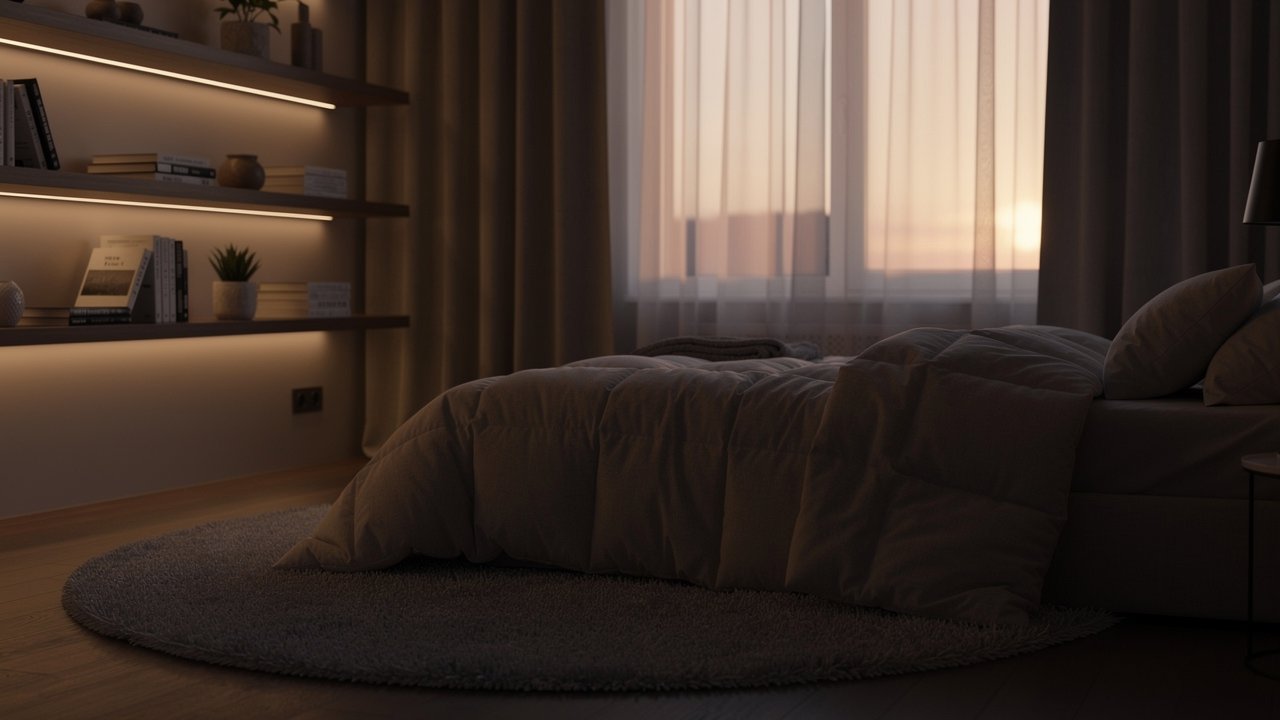
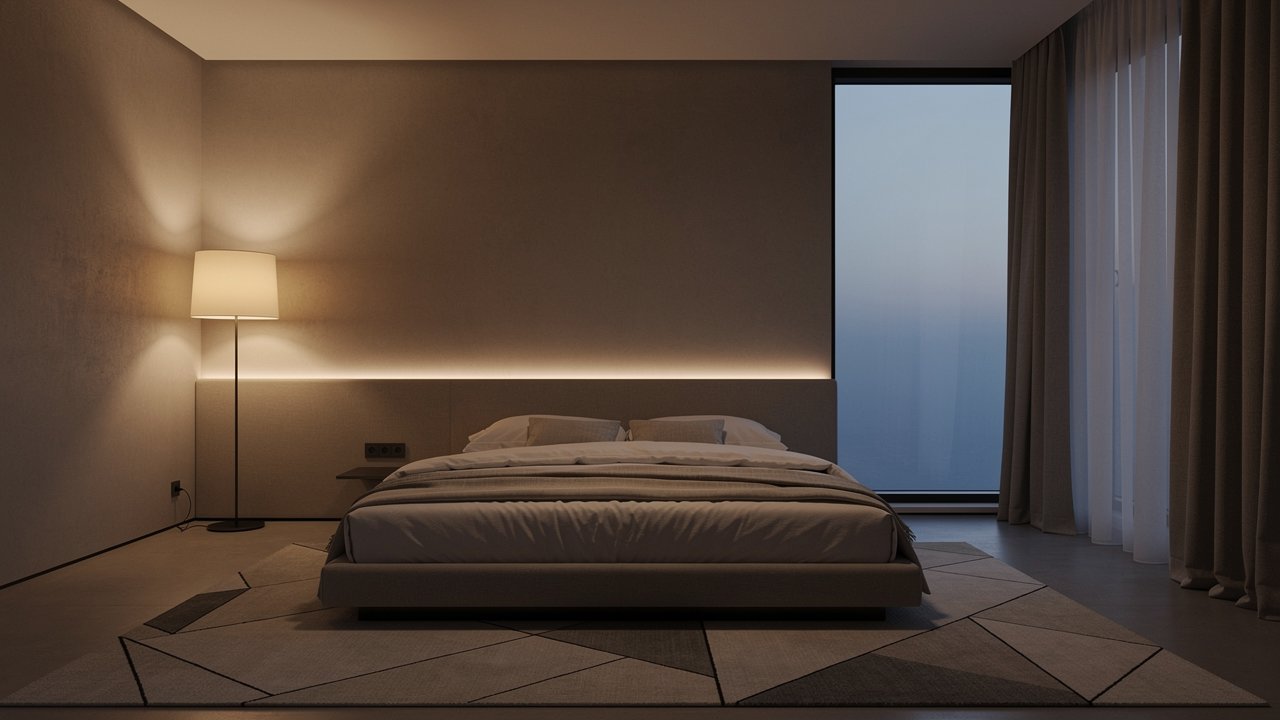
This is the sophisticated layer—subtle, atmospheric lighting that highlights architectural features, creates visual interest, or sets mood. Accent lighting might include LED strips along shelving, uplighting behind headboards, or corner floor lamps that add visual depth.
Accent lighting is where smart, color-changing systems shine. You can use cool-toned accent light during the day (it feels energizing) and shift to warm amber or red tones in the evening.
Strategic Placement: Ambient, Accent, and Task Light in Action
Here's what a well-designed bedroom lighting system actually looks like in practice:
Morning and Daytime (7 AM - 4 PM): You wake up and immediately expose yourself to bright light. If possible, open curtains to natural light. If your bedroom doesn't have great natural light, use a bright, cool-toned reading light or turn on accent lighting with blue-spectrum tones. Your body needs this signal to suppress melatonin and increase alertness.
Evening Transition (4 PM - 8 PM): As natural light fades, turn on ambient lighting at full brightness but in warm tones (2700K). Use task lighting if you're doing activities like reading or getting dressed. Avoid overhead lights; instead, rely on wall sconces or uplighting.
Pre-Sleep (8 PM - Bedtime): Dim your ambient lighting to 30-50% brightness. If you have color-changing accent lights, shift them toward red or amber tones—these wavelengths minimally suppress melatonin. Reading lights should be localized and warm. No overhead lights. No bright blue-spectrum light from screens (use blue light filters or glasses).
Sleep: Complete darkness or near-darkness. If you need ambient light for safety, use a very low-intensity, warm night light positioned low to avoid direct eye contact.
This might sound complicated, but it's actually straightforward once you have the right fixtures in place.
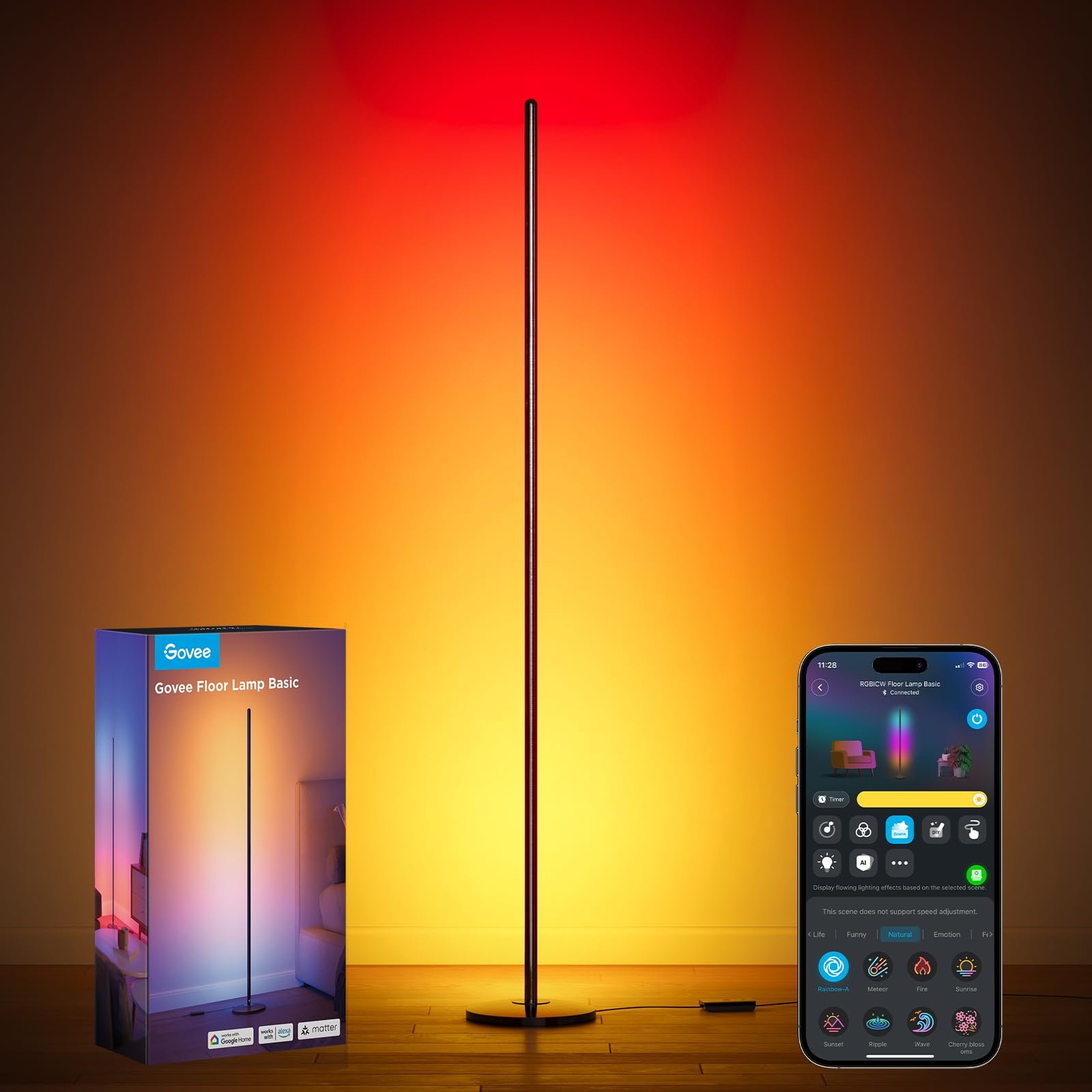
Govee RGBIC Floor Lamp Basic
$56.05
A smart, color-changing floor lamp that serves as both ambient and accent lighting. Program it to shift from cool tones in the morning to warm amber in the evening, automating your circadian lighting without manual adjustment.
See Today’s Price →Corner floor lamps are underrated in bedroom design. They provide uplighting that fills the room without the harsh directness of overhead fixtures, and they're positioned low enough that they won't shine directly in your eyes when you're lying in bed. The Govee system adds the ability to automate color temperature throughout the day—morning blue-spectrum light, evening warm light, pre-sleep red light, and complete darkness at bedtime.
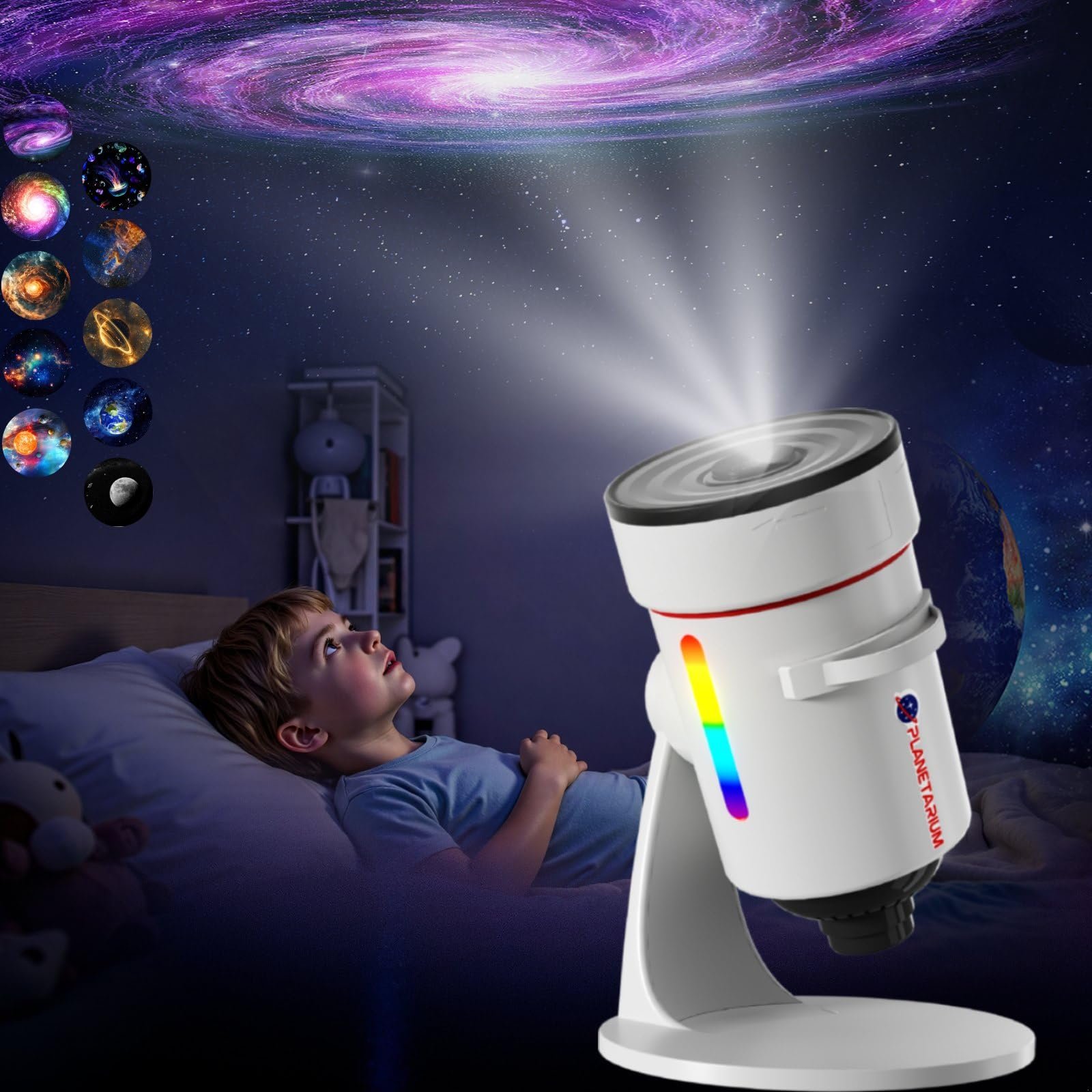
Galaxy Projector 4K HD Star Projector
$34.50
A ceiling projector that creates soft ambient lighting with astronomical visuals. The subtle, distributed light mimics natural twilight and pairs beautifully with accent lighting for the pre-sleep wind-down phase.
See Today’s Price →If you want to introduce accent lighting without installing permanent fixtures, a ceiling projector is an elegant solution. It provides soft, distributed light that feels natural (unlike harsh overhead fixtures) and creates a visual focal point. Use it during your evening wind-down routine—the subtle imagery is calming without being stimulating.
"Lighting isn't an afterthought in sleep design. It's the foundation. Everything else—sheets, pillows, temperature—builds on that foundation."
Budget-Conscious Layering: Build Your Lighting System Step by Step
You don't need to overhaul your entire bedroom lighting system at once, and you don't need to spend thousands. Build strategically.
Month 1 - Start with Ambient: Invest in one warm-toned, dimmable light source. A quality bedside lamp ($30-60) or a smart floor lamp gives you the foundational control you need. This single change—being able to dim your primary light source—will immediately improve your sleep quality.
Month 2 - Add Task Lighting: A second reading lamp on the other side of your bed or a clip light if space is limited. You want localized light for evening reading that doesn't illuminate your entire bedroom.
Month 3 - Introduce Accent Lighting: LED strip lights are incredibly affordable and impactful. Place them along shelving, behind your headboard, or along the baseboard. They cost $8-15 and instantly add visual depth and low-intensity ambient light.
Within three months and under $150, you've created a three-layer lighting system that rivals hotel bedroom design. Most people spend more than this on a single set of sheets.
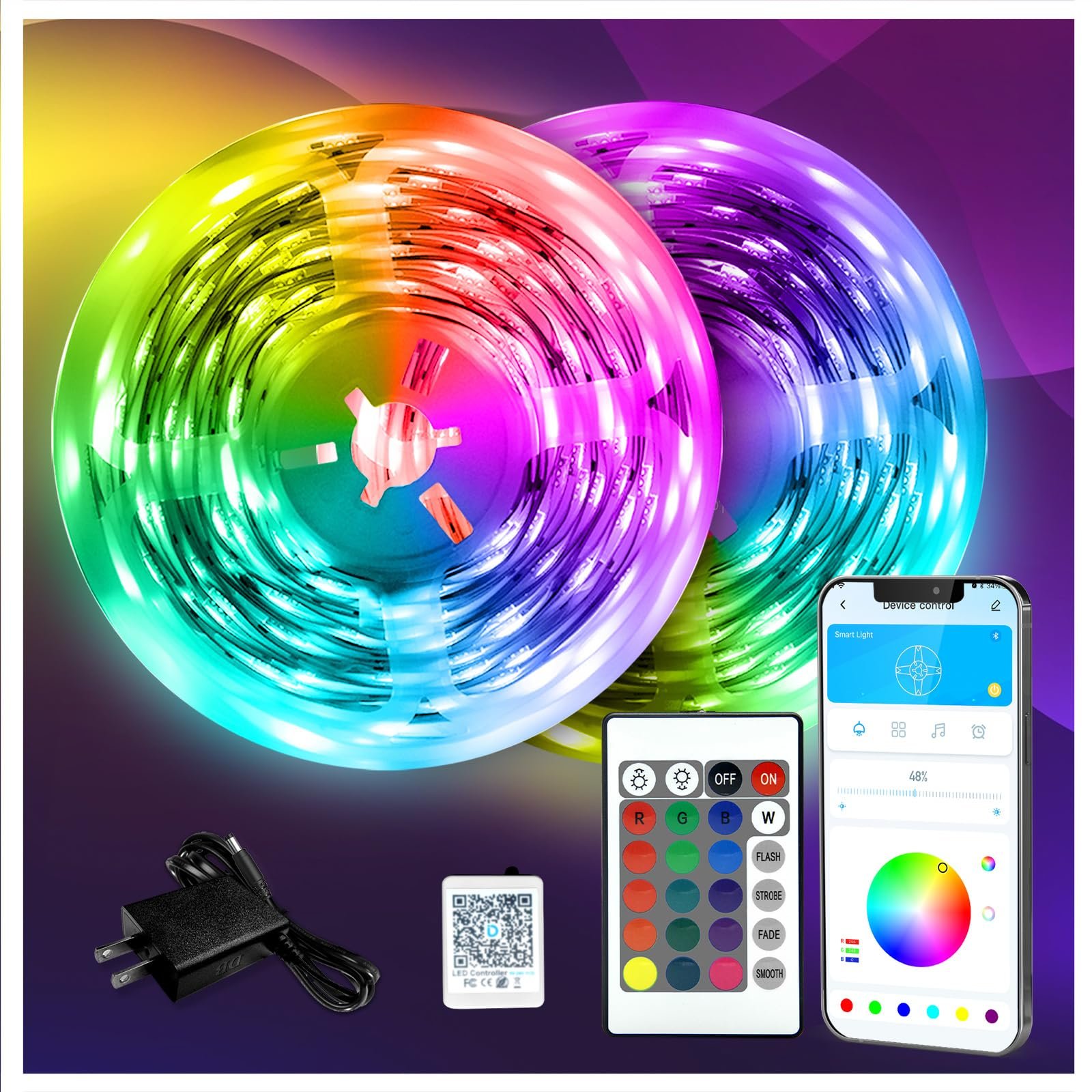
DAYBETTER LED Strip Lights 130ft
$8.62
A budget-friendly, color-changing LED strip system for accent lighting. Install behind your headboard or along shelves to add warm accent light in the evening without the cost of permanent fixtures.
See Today’s Price →The Anchor Elements: Why Texture and Rugs Support Great Lighting Design
Lighting doesn't exist in a vacuum. The materials in your room—walls, fabrics, floors—affect how light behaves. This is where people often miss an opportunity to amplify their lighting design without adding more fixtures.
Wall Color and Finish: Matte or slightly textured walls diffuse light softly. Glossy or highly reflective walls bounce light harshly. If you have bright white, semi-gloss walls, your lighting will feel more institutional no matter how warm your bulbs are. Consider soft, neutral wall colors with matte finishes—warm whites, soft grays, or pale taupe.
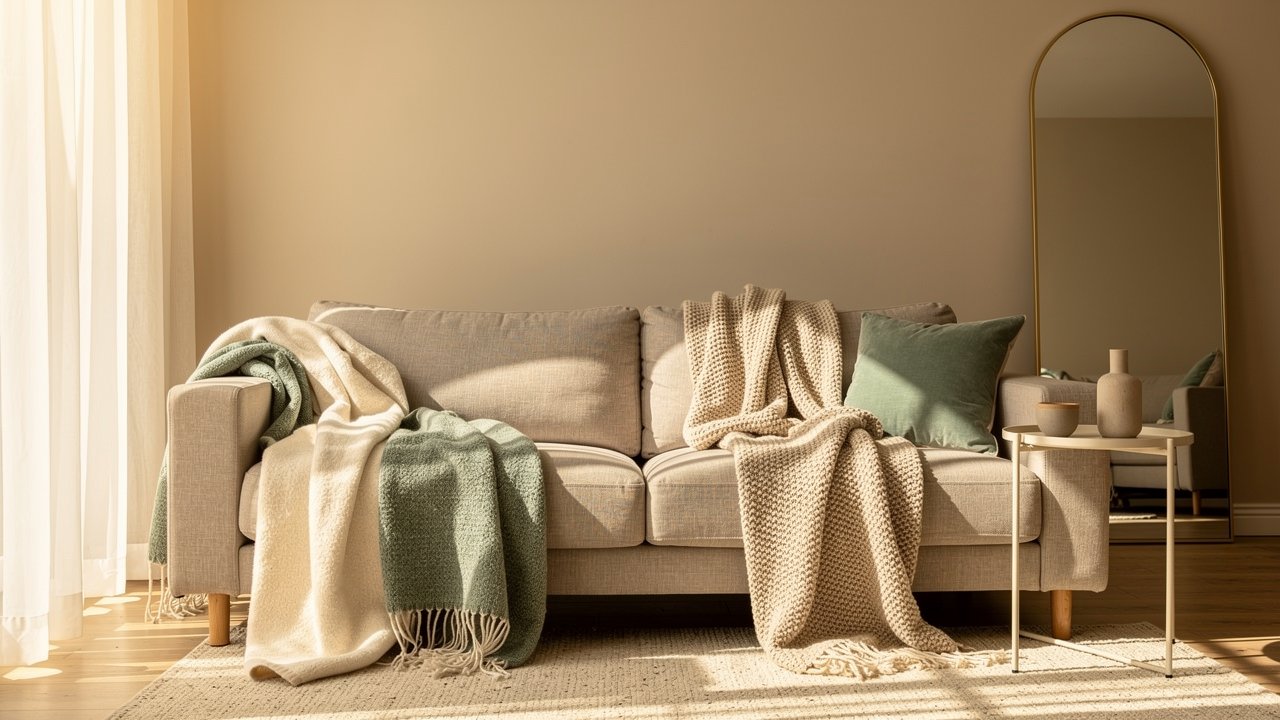
Fabrics and Textures: Bedding, curtains, and upholstery also affect light diffusion. Natural fabrics like linen and cotton diffuse light more gently than synthetic materials. Layered textures (a mix of smooth sheets, a chunky knit blanket, textured pillows) create visual interest and help distribute light naturally across the surface.
Rugs: This is the underrated element. A bedroom rug not only adds warmth and comfort but also absorbs light and sound, creating a softer, more intimate environment. A rug anchors the foot of your bed and defines the space, making it feel intentional rather than empty.
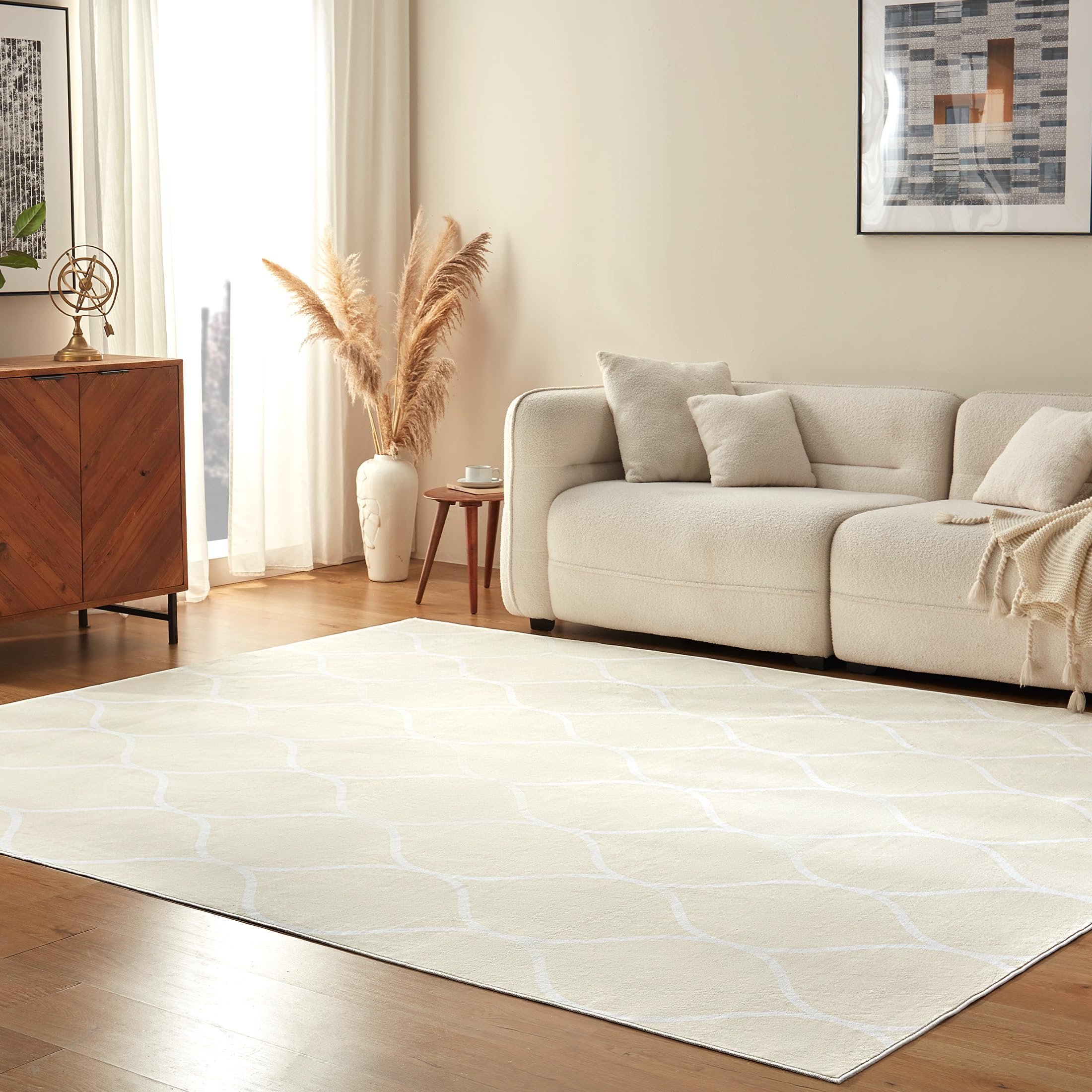
Amazon Basics Thin Indoor Area Rug, 4' x 6'
$10.99
An affordable, washable geometric rug that grounds your bedroom space and softens the light environment. The woven texture helps diffuse light rather than reflect it, enhancing the calming effect of warm ambient lighting.
See Today’s Price →When you combine thoughtful lighting with complementary materials—warm wall tones, textured fabrics, and a grounding rug—your bedroom stops feeling like a generic hotel room and starts feeling like a sanctuary. The lighting is enhanced, the space feels larger, and your nervous system begins to relax the moment you enter.
Common Lighting Mistakes That Sabotage Sleep Quality
Let's be specific about what not to do.
Mistake 1: Relying on a single overhead light. This is the most common error. A single bright fixture, usually cold-toned (4000K or higher), creates harsh shadows, feels institutional, and sends your brain the wrong circadian signal. If your bedroom has only an overhead light, this should be your first thing to change. Add a bedside lamp immediately.
Mistake 2: Using LED bulbs without checking color temperature. Not all LED bulbs are created equal. Some are cool and blue-spectrum (5000K+), which is fine for morning but terrible for evening. Always purchase warm-toned LEDs (2700K) for bedroom fixtures. Check the packaging—it usually specifies Kelvin temperature.
Mistake 3: Leaving lights on all evening, then expecting immediate sleep. Your body needs transition time. If you're reading under bright light at 10 PM and then turn everything off at 10:30 PM when you go to bed, your circadian system is confused. Dim your lights gradually starting 1-2 hours before bedtime. Your body needs to shift.
Mistake 4: Using bright accent lights near eye level. A colored smart bulb in a lamp on your nightstand sounds fun, but if it's bright enough to see by and positioned at eye level, you're looking directly into a light source. Keep accent lighting low (floor lamps, uplighting) or indirect (behind objects, along baseboards).
Mistake 5: Ignoring