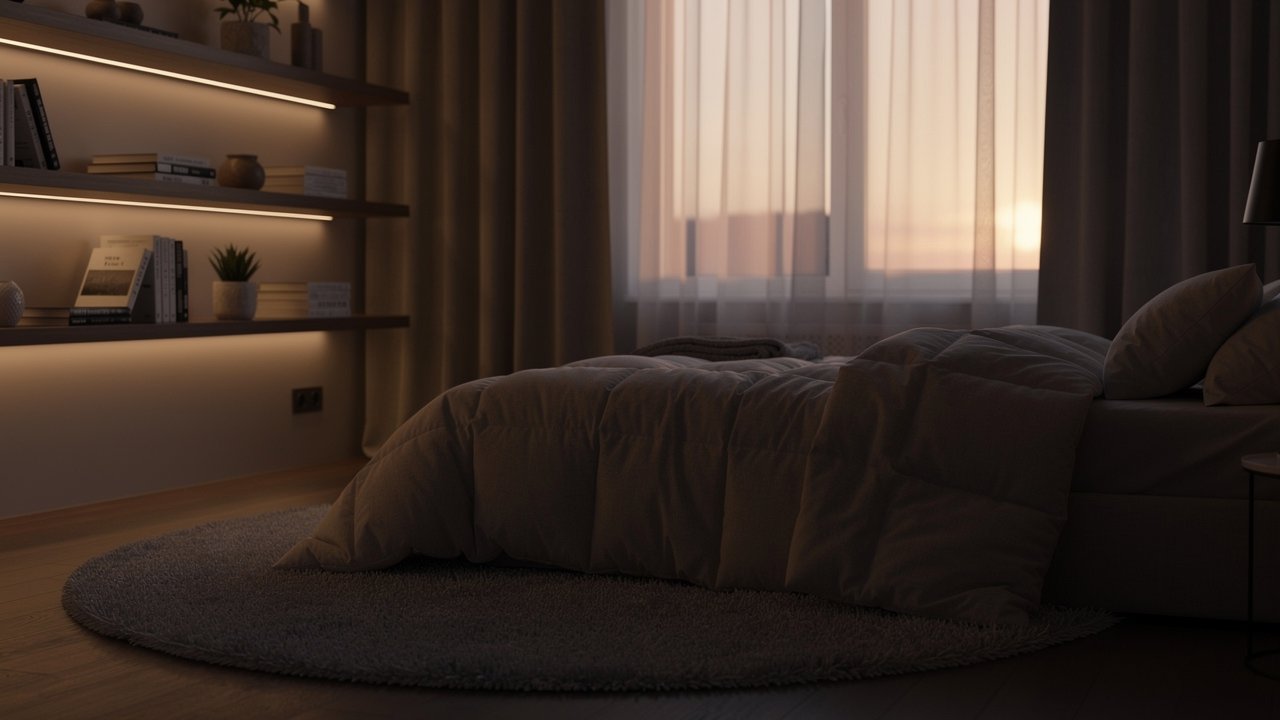
The Myth: A Good Mattress Guarantees Good Sleep
You've heard it a thousand times: invest in a quality mattress, and your sleep problems are solved. Spend three thousand dollars on a bed with the right firmness, memory foam density, and cooling gel layers, and suddenly you'll wake up refreshed. It's the golden rule of bedroom design, repeated by sleep experts, mattress companies, and interior designers alike.
Here's what nobody tells you: a premium mattress is necessary but not sufficient. In fact, obsessing over your mattress while ignoring everything else in your bedroom is like buying a high-end camera and shooting in a dark basement. You're missing 80% of what actually controls your sleep quality.
The real sleep revolution happens in the layers surrounding your mattress. Texture, light control, ambient comfort, and psychological sanctuary—these are the invisible architects of restorative sleep. A mediocre mattress in a thoughtfully layered bedroom will outperform a luxury mattress in a poorly designed space every single time. This isn't poetic exaggeration; it's neuroscience and physics working together.
Why Bedroom Layers Actually Control Your Sleep Environment
Interior designers have known this for years, but they rarely explain it explicitly. When they talk about "cohesive bedroom design," they're actually describing a system of environmental controls that work together to regulate temperature, light, sound absorption, and psychological comfort.
Your bedroom isn't just a room where you happen to sleep. It's a sensory experience that your nervous system reads constantly. Every surface, color, texture, and light source sends signals to your brain about whether this space is safe for rest or alertness. The mattress is just the foundation of that experience—the real magic happens in how everything else responds to your presence.
When layers work together intentionally, they create a feedback loop where each element amplifies the comfort of the others. A plush rug under your feet doesn't just feel nice—it tells your nervous system that softness and care surround you.
Think about hotels that have exceptional sleep environments. They don't succeed because of their mattresses alone. They succeed because of:
- Heavy blackout curtains that eliminate light pollution
- Multiple texture layers that absorb sound and create tactile comfort
- Carefully controlled lighting for different times of day
- Strategic use of soft furnishings that dampen ambient noise
- Thoughtful arrangement that creates psychological containment
You can replicate this exact system at home, regardless of your mattress quality or budget. The layers are what matter.
Enjoying this article?
Get curated picks in your inbox every Sunday.
The Foundation Layer: How a Rug Anchors Comfort Psychology
This is where most people get it wrong. They treat a bedroom rug as decoration, something optional or aesthetic. In reality, a rug is your first sensory interface with the room—it's where your feet land when you wake up at 3 AM, and it's the first thing your nervous system evaluates when you enter the space.
A quality bedroom rug serves four critical functions:
Tactile comfort: The moment your feet touch a soft, plush surface, your nervous system registers safety. You're not on cold hardwood or tile—you're on something that responds gently to your weight. This triggers a cascade of subtle relaxation signals.
Sound dampening: Rugs absorb ambient noise and echo. This reduces the acoustic anxiety of sleeping in a room where every sound reverberates. A well-chosen rug makes your bedroom feel quieter without requiring earplugs.
Thermal regulation: Rugs create an insulating barrier between your feet and cold floors. Temperature regulation is critical for sleep quality—your body needs to maintain a specific core temperature, and cold feet trigger a stress response that keeps you alert.
Psychological grounding: Designers use the term "anchoring" for a reason. A rug defines the sleeping zone and creates a sense of containment. Your subconscious reads this as "this is the safe zone for rest," which is more powerful than you'd expect.
For a bedroom, you want something textured, plush, and in a neutral tone. The rug should feel like a cloud under your feet—not scratchy, not thin, not industrial. Look for natural fibers or quality synthetic blends that feel soft even after months of use.
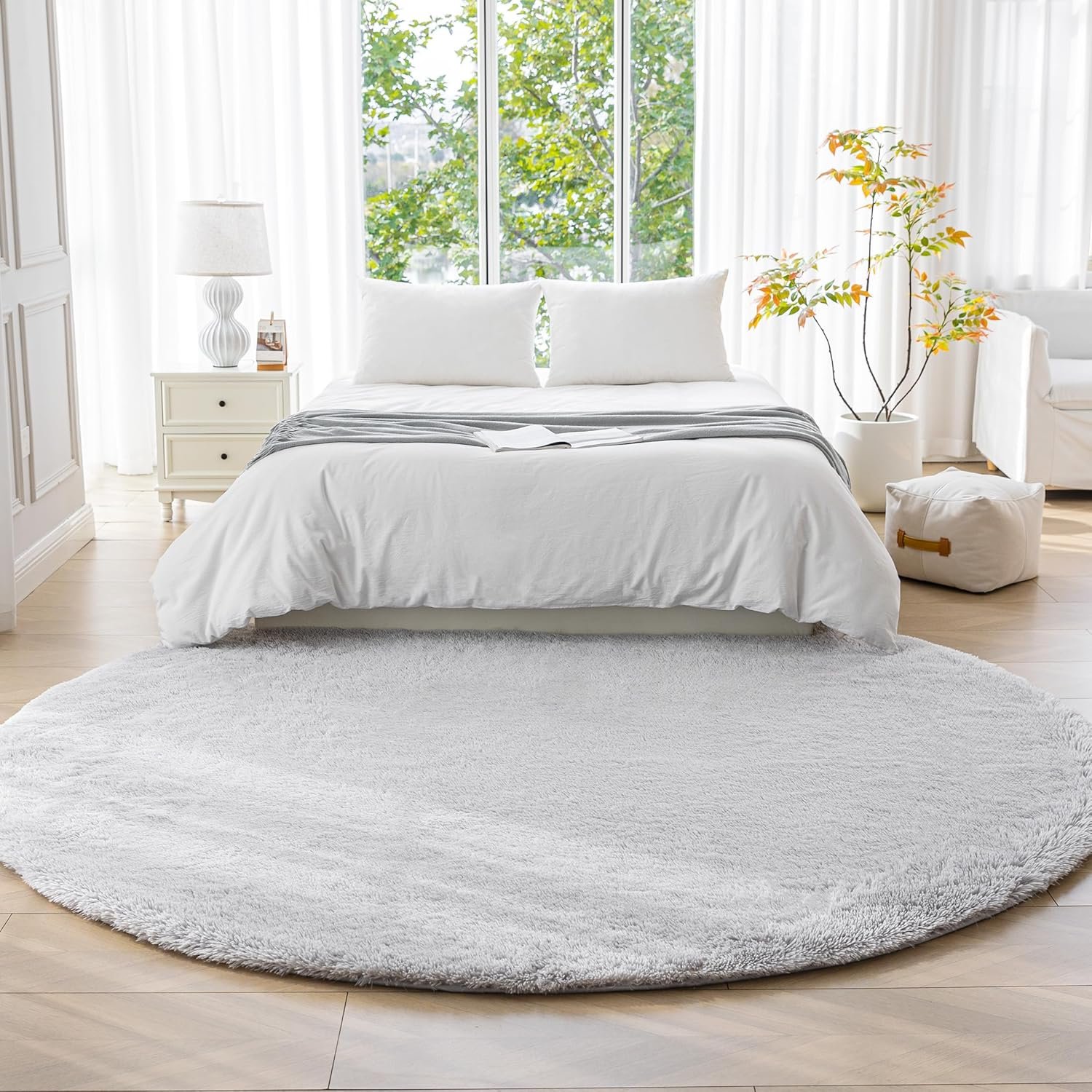
Amazon Basics Fluffy Washable Round Area Rug, Circle Shaggy Carpet for Living Room, Bedroom, Nursery, 5'R, Gray
$42.99
A genuinely soft, washable foundation rug that delivers luxury tactile comfort without the luxury price. The 5-foot round size is ideal for defining a sleeping zone without overwhelming the room.
See Today’s Price →Place your rug so that when you step out of bed, your feet land on it immediately. This isn't a design preference—it's functional. That first sensory experience matters more than you realize.
The Light Control Layer: Why Blackout Curtains Matter More Than You Think
Here's the uncomfortable truth: most bedroom curtains are decorative failures masquerading as functional solutions. They look nice on Pinterest, but they let light leak around the edges, through the fabric, and from underneath. This is a critical problem for sleep quality.
Your circadian rhythm—the biological system that controls when you feel alert and when you feel sleepy—is exquisitely sensitive to light. Even small amounts of ambient light suppress melatonin production. That soft, romantic glow from streetlights filtering through "blackout" curtains? It's actively preventing your brain from fully transitioning to sleep mode.
Real blackout curtains are different. They're designed with multiple layers of dense fabric that blocks light almost completely. When they're hung properly—with minimal gaps—they create the darkness your nervous system actually needs.
Light control is one of the few bedroom variables with peer-reviewed research proving its impact on sleep quality. Everything else is secondary to this.
The design trade-off is worth it. Yes, heavy blackout curtains look industrial. Yes, they're less "romantic" than sheer fabrics. But they actually work. And here's the secret: you can layer them. Use blackout curtains as your functional layer, then add a lightweight decorative layer in front if aesthetics matter to you.
Installation matters too. Your curtains should extend at least 8-12 inches beyond the window frame on each side, and they should go all the way to the floor. This eliminates the side-light problem that ruins most bedroom lighting.
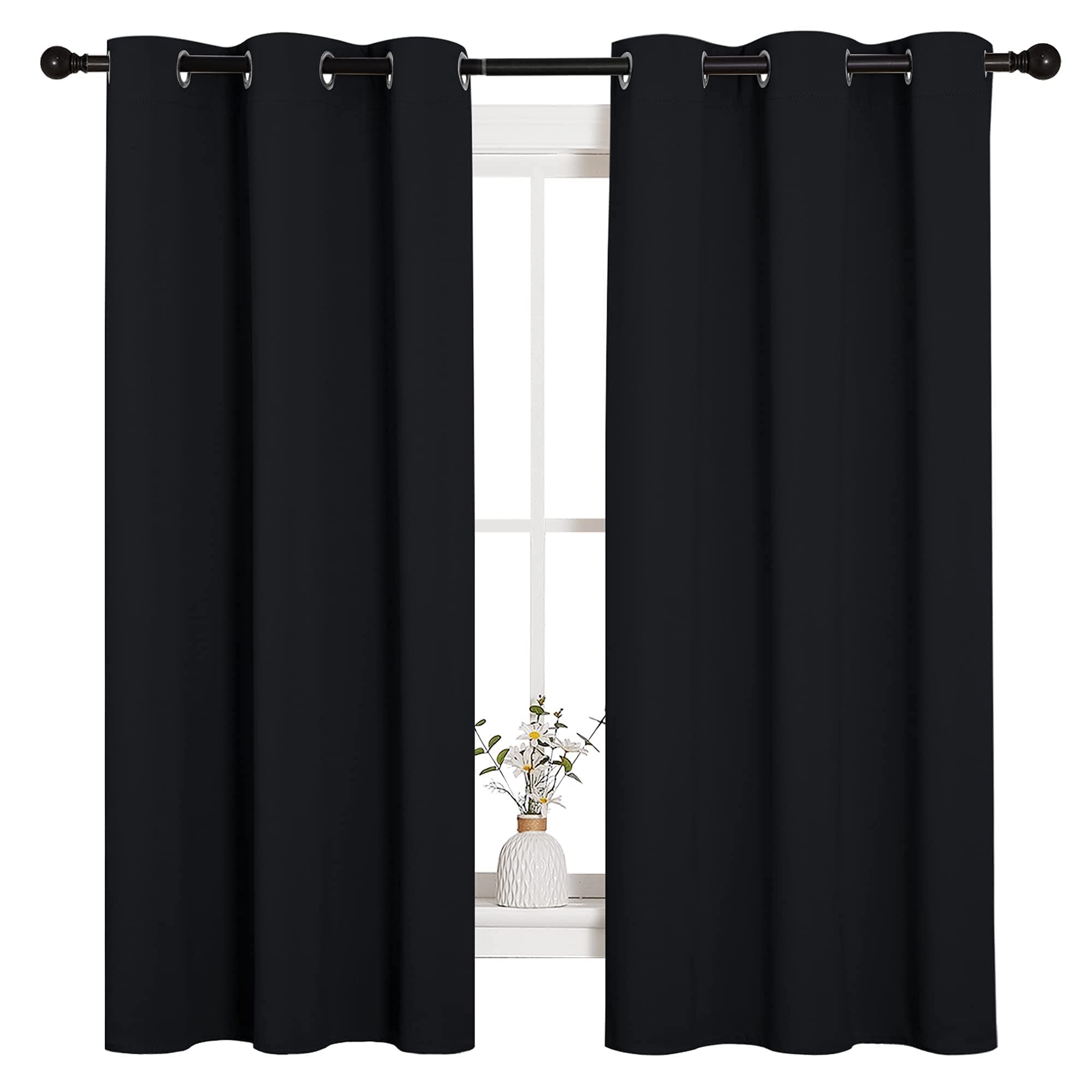
NICETOWN Pitch Black Solid Thermal Insulated Grommet Blackout Curtains/Drapes for Bedroom Window (2 Panels, 42 inches Wi)
$9.98
Affordable, heavy-duty blackout curtains that actually block light without pretense. The grommet design makes installation simple, and the thermal insulation provides the bonus benefit of temperature regulation.
See Today’s Price →Don't skip this layer thinking your bedroom is "dark enough." Most people have no idea how much light is leaking into their sleep environment until they actually experience complete darkness. The difference is dramatic and immediate.
The Texture Layer: Building Depth With Soft Furnishings
Once you've controlled the major variables (mattress, rug, light), texture becomes your secret weapon for creating psychological comfort. Texture isn't just visual—it's tactile and acoustic, and it directly influences how your nervous system interprets the space.
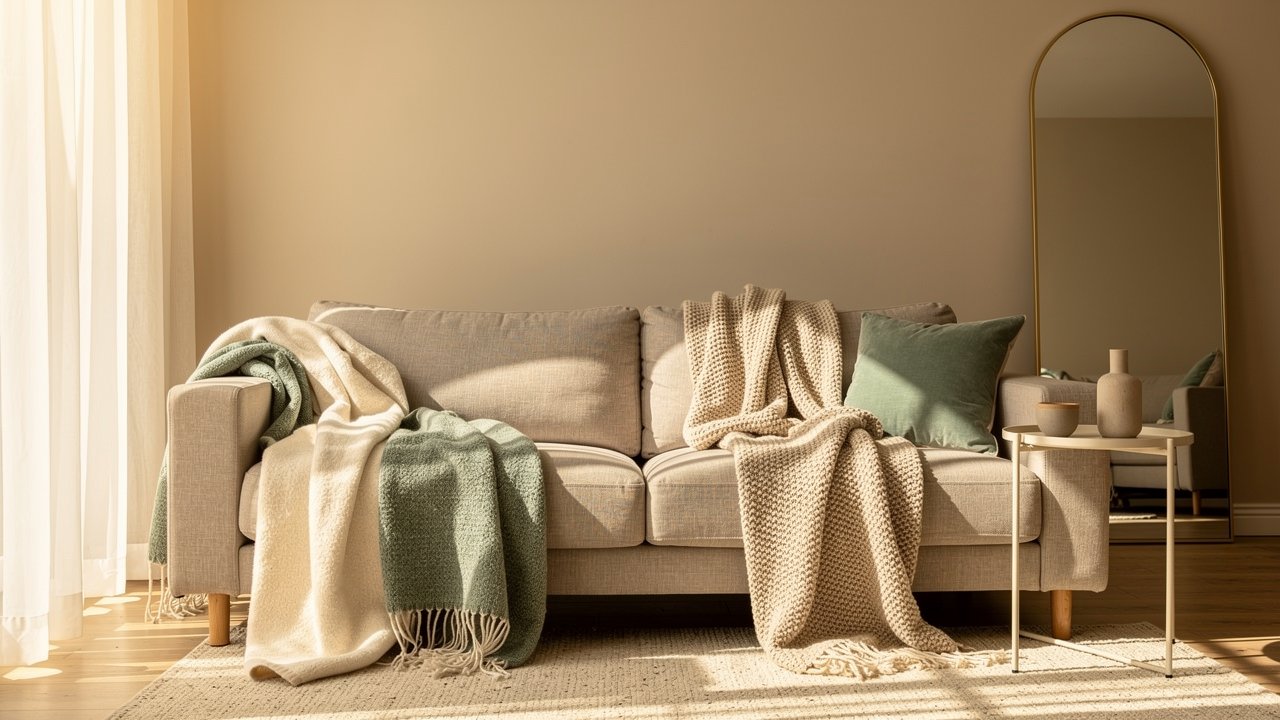
A bedroom with only hard surfaces and smooth fabrics feels sterile and activating, even if it's dark and quiet. But a bedroom layered with varied textures—plush comforters, woven throws, soft pillows, even slightly rough linen—creates a sense of richness and safety. Your brain reads this as a cultivated, cared-for environment.
Here's how to layer texture intentionally:
Start with your bedding base: Choose a comforter or duvet set that combines softness with slight texture. Smooth microfiber feels cold and synthetic, even when it's expensive. Look for cotton blends or materials that have slight variation in surface—this registers as "natural" to your sensory system.
Add contrast layers: Place a linen throw across the foot of the bed, or drape a textured blanket over the side. These shouldn't match perfectly—intentional variation is what creates visual and sensory interest.
Incorporate soft furnishings: Pillows shouldn't all be the same. Mix textures: a crisp cotton pillowcase over a down pillow, a textured throw pillow in the corner, even a body pillow with a different weave. This variation signals abundance and care.
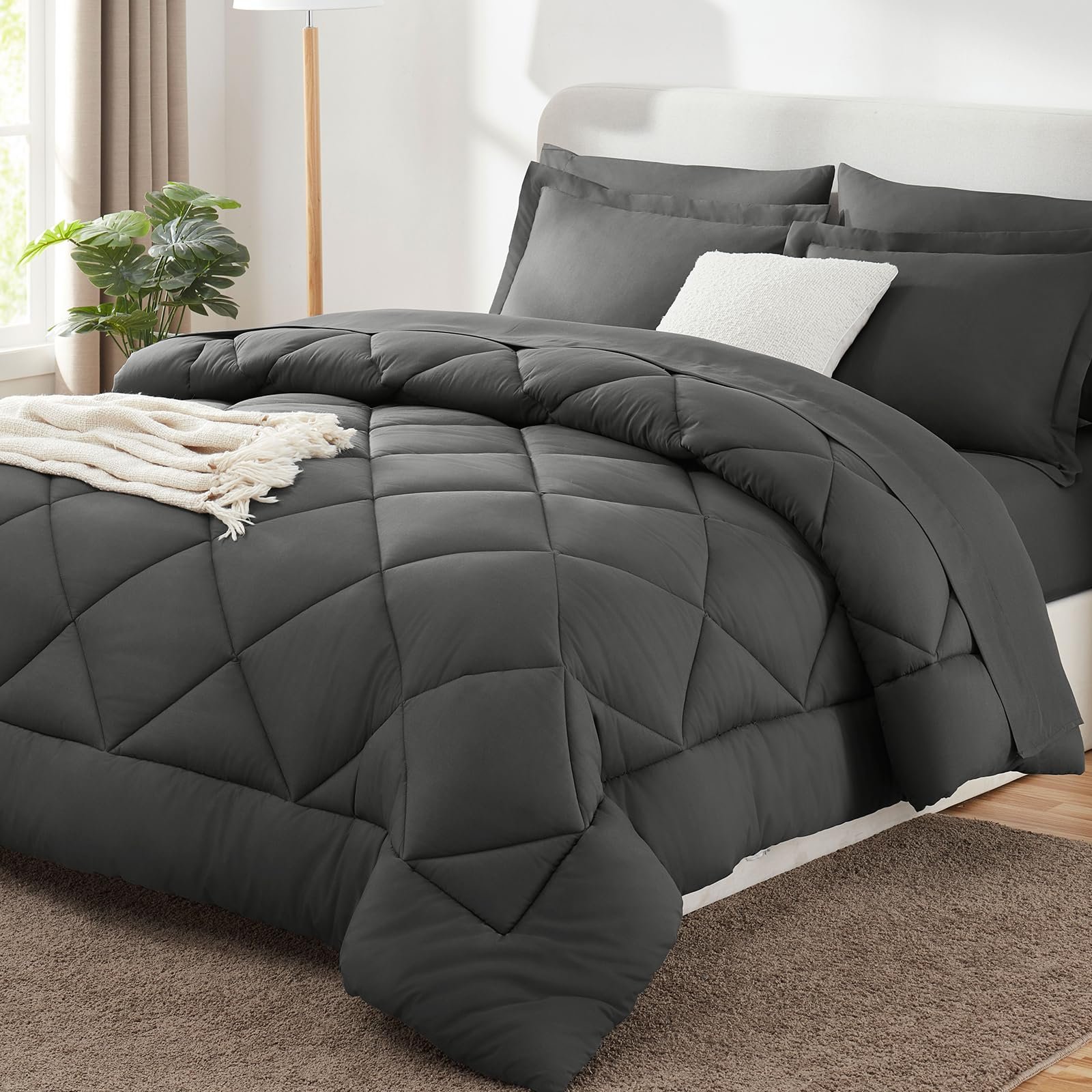
CozyLux Queen Comforter Set Dark Grey - Bed in a Bag Queen Size 7 Pieces, Luxury Soft Bed Set for All Seasons, Bedding S
$31.99
A complete layered bedding set that includes multiple components for texture variation. The dark grey is neutral enough to pair with any bedroom design while providing the subtle color depth that makes spaces feel intentional.
See Today’s Price →Texture also serves an acoustic function. Soft, varied surfaces absorb sound rather than reflecting it. This makes your bedroom feel quieter and more intimate, which reduces the ambient noise anxiety that wakes light sleepers.
The Ambient Layer: Why Subtle Lighting Changes Everything
This is where most bedroom designs fail. People install bright overhead lights or rely entirely on blackout darkness. Neither approach supports actual sleep quality. What your bedroom needs is layered, controllable lighting that supports different times of day.
Your body produces melatonin (sleep hormone) in response to dim, warm light and suppresses it in response to bright, blue-tinted light. Most bedroom lighting gets this backwards—overhead lights are bright and blue-tinted, perfect for waking up but terrible for winding down.
Instead, create three lighting zones:
Wake-up lighting: Brighter, cooler-toned light for morning. This can be your overhead fixture, but ideally reserved for short periods. A window light that gradually brightens in the morning would be ideal, but that's not always possible.
Evening lighting: Warm, dim, adjustable light that doesn't contain blue wavelengths. This signals to your body that it's time to transition toward sleep. Warm LED strips or small table lamps work perfectly here.
Night mode: Complete darkness for sleep, or extremely dim red or amber light if you need some visibility.
Most people only have two options: lights on or lights off. Creating a middle ground with subtle, warm ambient lighting is transformative for sleep quality.

DAYBETTER LED Strip Lights 130ft Lights Strip for Bedroom, Desk, Indoor Room Bedroom Brithday Gifts RGB Decor with Remot
$9.98
Controllable LED strips that let you adjust color temperature and brightness. Use warm settings for evening wind-down and dim them to near-invisibility as you fall asleep. This is budget-friendly technology that mimics high-end hotel lighting systems.
See Today’s Price →Place your ambient lighting along the edges of your room—along baseboards, behind your headboard, or on a shelf at eye level when you're lying down. The key is that it illuminates the room subtly without being a direct light source in your field of vision. This creates what designers call "environmental lighting"—the space is lit, but there's no obvious light source.
The Finishing Layer: How Small Details Create Sanctuary Feeling
Once your core layers are in place—rug, blackout curtains, textured bedding, ambient lighting—the final layer is psychological. Small details that create a sense of intention, care, and personal sanctuary.
This is where plants, artwork, or decorative objects come in. Not as clutter, but as intentional choices that signal: "This space was designed for rest, not function." A bedroom that feels like a sanctuary activates different neural pathways than a bedroom that feels like a bedroom.
The distinction is subtle but powerful. A space that feels like a sanctuary triggers parasympathetic nervous system activation—relaxation, digestion, sleep. A space that feels merely functional keeps you in sympathetic activation—alert, ready, slightly anxious.
Subtle greenery is particularly effective. Living or artificial plants introduce an element of nature, which has documented psychological benefits for stress reduction. They also contribute texture variation and can help with air quality if they're living plants.
Fake Vines for Room Decor(12 Pack 84 Feet) Aesthetic Artificial Plant Ivy Leaves Hanging Garlands for Home Bedr
$5.64
Artificial greenery that requires zero maintenance and provides the psychological benefit of nature without the responsibility. Drape these around a window frame or along a shelf to add organic texture and visual interest.
Discover more finds.
Browse our curated picks for every room in your home.
View All Finds →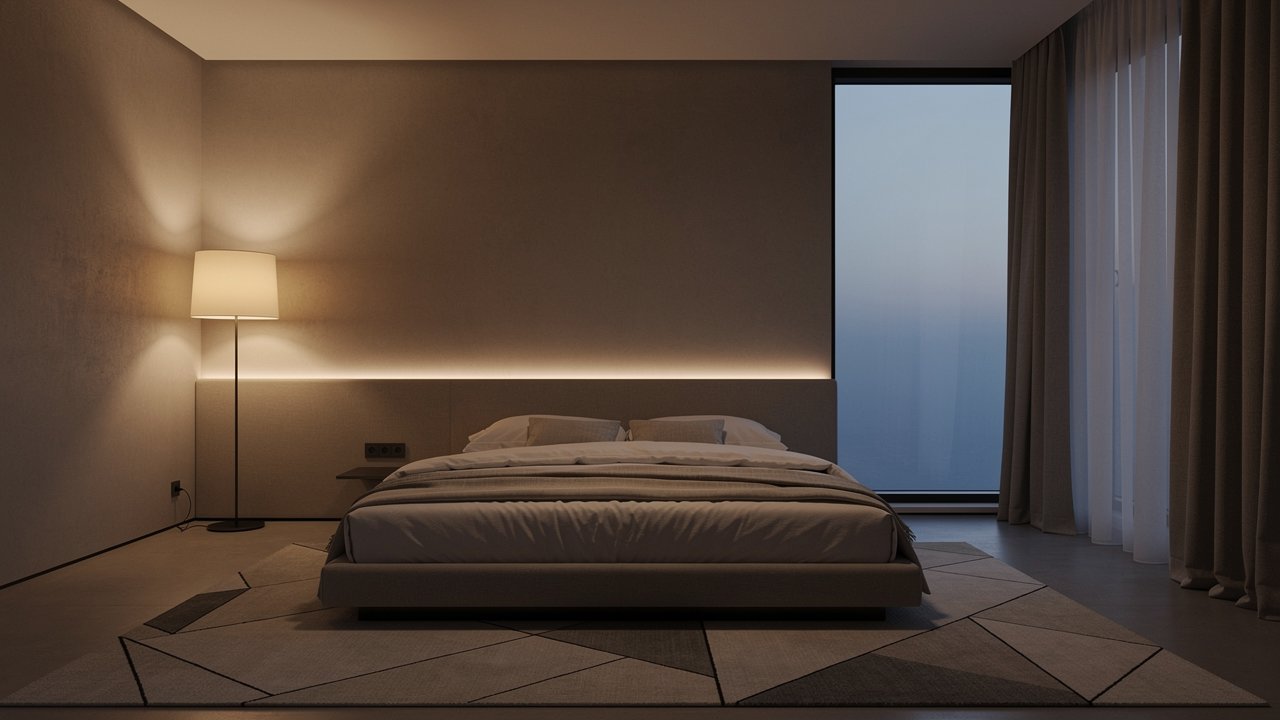
Get picks like these in your inbox.
Join our Sunday newsletter — curated finds matched to your style.