The Overlooked Sensory Layer: Why Your Garden Feels Incomplete
Your backyard looks beautiful. The landscaping is thoughtful. The furniture arrangement invites lingering. The color palette flows seamlessly from season to season. And yet—something feels absent. There's a stillness that no throw pillow or accent planter can fill.
This is what happens when we design outdoor spaces exclusively through our eyes.
We've become visual creatures, obsessed with the Instagram-worthy angle, the perfectly staged corner, the aesthetic cohesion. Interior design has trained us to think in terms of color theory, scale, and visual rhythm. Those principles matter, absolutely. But they represent only 80% of the sensory story. The remaining 20%—sound—is where most homeowners abandon intentional design entirely.
Wind chimes aren't decoration for people who don't know what else to do with their porch. They're a deliberate design choice that transforms outdoor spaces from pleasant backdrops into multisensory experiences. A garden without sound design is like a living room without music—technically complete, but emotionally incomplete.
"A garden without sound design is like a living room without music—technically complete, but emotionally incomplete."
The reason we neglect auditory design isn't laziness or lack of taste. It's visibility bias. We can see the impact of a new plant or planter immediately. We can photograph it, share it, feel the satisfaction of visual progress. Sound, by contrast, is ephemeral. It requires the right moment, the right wind, the right attention span. It doesn't photograph well. It doesn't show up in before-and-after comparisons.
But here's what it does do: it anchors you to a space. It makes your garden feel intentional. It reminds you that outdoor living is about presence, not just aesthetics.
How Sound Design Creates Intentionality in Outdoor Spaces
Intentionality is the difference between a yard and a sanctuary. It's the gap between "nice to look at" and "I want to spend time here." And sound design is one of the most underutilized tools for closing that gap.
When you choose a wind chime deliberately—considering tone, material, scale, and placement—you're making a statement about the experience you want to create. You're saying: I care about how this space feels, not just how it looks.
Consider the psychology of sound in outdoor environments. Research in environmental psychology consistently shows that natural or nature-adjacent sounds (flowing water, rustling leaves, gentle chimes) reduce cortisol levels and activate parasympathetic nervous system responses. In other words, they make you feel calmer. A properly chosen wind chime mimics these restorative soundscapes.
There's also the matter of sensory punctuation. A garden without sound design is ambient silence—it becomes background noise that your brain eventually stops registering. But a wind chime, especially one that chimes sporadically with changing wind conditions, creates intentional moments of attention. You notice the breeze. You pause mid-conversation. You become present.
The Role of Tone in Creating Atmosphere
Not all chimes sound the same, and that's the point. A deep, melodic chime creates a contemplative, grounded feeling—perfect for meditation gardens or spaces designed for quiet reflection. A brighter, higher-pitched chime feels more playful and energetic. A longer, resonant chime that fades slowly creates a sense of spaciousness and peace.
When selecting a wind chime, think of tone selection the same way you'd choose music for a dinner party. You wouldn't play aggressive bass in a calming bedroom, just as you wouldn't hang a harsh, high-pitched chime in a space meant for relaxation.
Wind-Chimes-Outdoor-Large-Decor, Deep Tone Soothing Melodic Tones Windchimes
$25.25
These deep-tone chimes deliver exactly what their name promises—soothing, resonant tones that linger and calm. Perfect for creating the meditative soundscape of a true sanctuary garden.
See Today’s Price →The size of the chime also matters. Larger chimes with longer tubes create deeper, more resonant tones and require slightly more wind to activate. They're less "tinny" and more substantial—they feel like an investment in the space. Smaller chimes are more responsive to gentle breezes and have a lighter, airier quality.
Intentionality Through Placement
Where you hang a wind chime is as important as which chime you choose. A chime placed near a seating area serves one function: it becomes the soundtrack to conversations and moments of rest. A chime placed deeper in the garden, visible but not immediately adjacent to where you sit, becomes more of an ambient presence—something you discover rather than something you're constantly aware of.
The best outdoor spaces often have multiple layers of sound design. One primary chime that's heard from the main entertaining area, perhaps a second chime hung in a more distant corner of the garden. This creates sonic depth—your auditory experience shifts subtly as you move through the space, just as your visual experience changes with different viewing angles.
Placement also affects how the chime responds to your specific microclimate. A chime positioned to catch afternoon breezes will activate differently than one on the north side of a structure. Pay attention to where wind actually moves through your yard before you hang anything. This small act of observation is what separates intentional design from random decoration.
Enjoying this article?
Get curated picks in your inbox every Sunday.
Choosing the Right Wind Chime for Your Garden's Acoustic Personality
Every garden has an acoustic personality—a natural sound fingerprint created by trees, structures, water features, and prevailing winds. Your wind chime should harmonize with this existing soundscape, not compete with it.
Start by listening. Spend time in your garden at different times of day. What do you already hear? Rustling leaves? Bird songs? Distant traffic? Running water from a fountain? If your garden is naturally busy with sound (large trees, a water feature, proximity to nature), a quieter, more subtle chime works better. If your space is acoustically sparse—perhaps surrounded by open lawn or hard landscaping—a more prominent chime fills that void beautifully.
Material is another consideration that impacts tone significantly. Aluminum chimes are lightweight, responsive, and produce bright tones. Copper and brass chimes are heavier, more durable, and produce deeper, warmer tones. Wood and ceramic chimes offer earthy, muted tones. There's no universal "best" choice—only what's right for your specific space and preference.
Consider also the symbolic or emotional resonance of a chime. Some chimes carry meaning beyond their sound—perhaps a gift from someone special, or a chime with engraved text that carries personal significance. This emotional layer adds another dimension to why you pause when you hear it.
Mothers Day Gigi Gifts, Gigi Wind Chimes for Outside, Heartfelt Love Quote Floral Design Windchime
$19.99
This beautifully designed chime combines aesthetic appeal with emotional resonance, featuring heartfelt messaging that makes every chime feel personal. It's a reminder that functional decor can tell a story.
See Today’s Price →Layering Sound with Sight: The Case for Combining Chimes, Plants & Planters
Here's where sound design stops being a solitary pursuit and becomes part of a comprehensive sensory strategy: when you pair it with thoughtful visual elements, the impact multiplies.
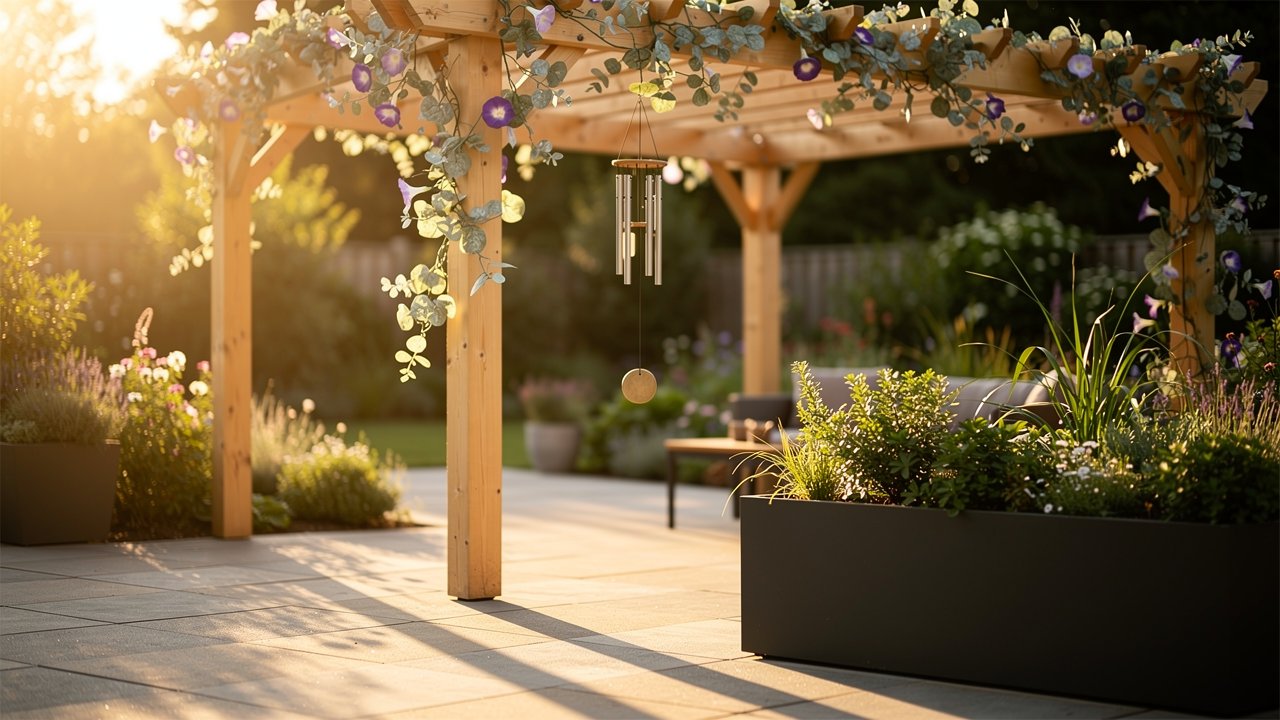
A wind chime hanging in isolation does its job. But a wind chime surrounded by rustling foliage, positioned above lush plantings, or framed by carefully chosen containers becomes part of a complete outdoor composition. The visual framing makes the auditory experience feel intentional rather than accidental.
Think about the relationship between the chime's visual appearance and its tone. A delicate, minimalist chime pairs beautifully with clean-lined planters and architectural foliage like ornamental grasses or eucalyptus. A more ornate, decorative chime calls for richer, more abundant planting schemes.
If you're hanging a chime in a focal point location—say, above a seating area or as the anchor point of a garden vignette—frame it intentionally. Hang it above a grouping of planters planted with complementary colors and textures. Let the visual layering draw the eye to the chime, which then draws the ear.
4 PCS Artificial Morning Glory & Eucalyptus for Outside, Realistic Sun Resistant Fake Silk Hang Flower Faux Eucalyptus
$19.99
These realistic faux flowers create the perfect visual framing for a wind chime without requiring maintenance. Hang them on a pergola or support structure around your chime placement for an integrated, intentional look.
See Today’s Price →Container selection matters more than you might think. A wind chime paired with beautiful planters becomes part of a styled vignette rather than a random decoration. The planters act as visual anchors that make the chime feel like part of a deliberate scheme.
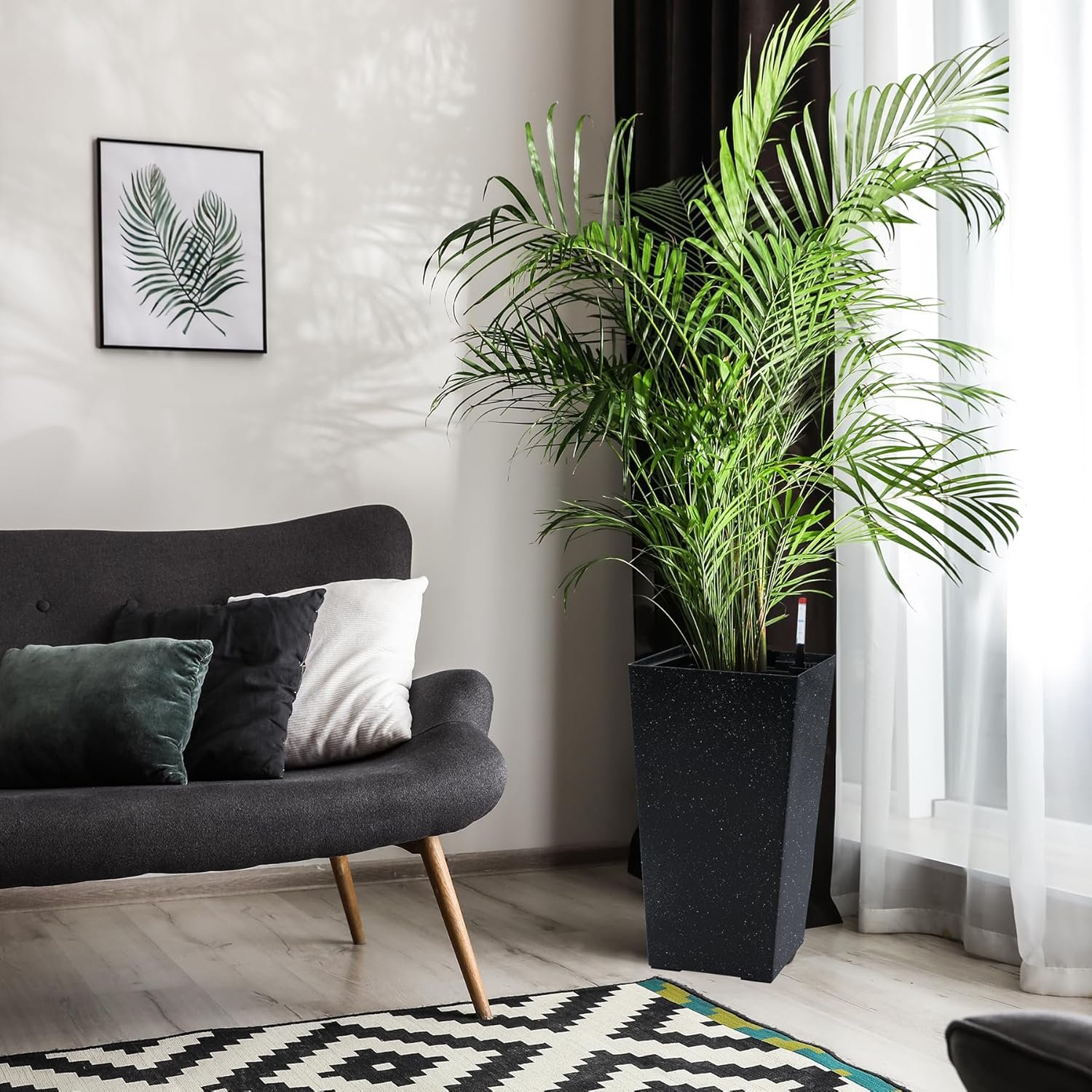
Garvee 16" Tall Planters Set of 2, Outdoor & Indoor Black Planter Pots
$39.49
$39.49
These sleek, minimalist planters provide the clean visual foundation that makes a wind chime feel like a curated element rather than an afterthought. Their modern aesthetic works with both contemporary and traditional chime styles.
See Today’s Price →The hardscape around your chime also contributes to the overall composition. A chime hanging above a clean deck or patio feels different than one suspended over a wildflower meadow. Neither is wrong—they're just different expressions of intentional design. The key is recognizing that the visual context shapes how people experience and interpret the sound.
Creating Rhythm with Multiple Sensory Elements
The most sophisticated outdoor spaces layer multiple sensory inputs that create a cohesive experience. A wind chime provides auditory punctuation. Rustling foliage and moving plantings provide visual rhythm. The texture of container materials, the scent of flowers, the feel of different hardscape materials underfoot—these all work together.
When you design with this multisensory approach, visitors don't just appreciate your garden. They inhabit it. They slow down. They linger. They come back.
"When you design with a multisensory approach, visitors don't just appreciate your garden. They inhabit it."
The Unexpected Benefit: Why Homeowners Prioritize Auditory Design Last
There's a reason most people think about plants and furniture long before considering sound. It comes down to how our brains process design decisions.
Visual design feels urgent because it's immediately visible, shareable, and measurable. You can see progress. You can photograph it. You can receive compliments. Sound design, by contrast, is subtle, ephemeral, and harder to quantify. You can't easily capture it in a photo. It won't show up in a before-and-after comparison. Its impact is felt rather than seen.
This is precisely why auditory design deserves more attention, not less. The fact that it's often an afterthought means it's underutilized precisely where it would have the most impact. Most gardens are acoustically designed by accident—or not at all.
When you prioritize sound intentionally, you're not just adding decoration. You're expanding the entire experience of your outdoor space. You're saying that how your garden feels matters as much as how it looks. You're acknowledging that presence and experience are valuable design goals, not secondary considerations.
Breaking the Visual-First Mindset
The first step is recognizing this bias in yourself. If you're reading this and thinking, "I hadn't really considered sound design," that's not a personal failing—it's a cultural pattern. Interior design, home decor media, and social media have all trained us to prioritize the visual. Shifting toward a more complete sensory approach requires deliberate intention.
Start small. Add one wind chime to a space you spend time in. Pay attention to how it changes the experience of that space. Notice how you're drawn to pause and listen. Observe how the sound ebbs and flows with weather changes. This small experiment will likely change how you think about outdoor design moving forward.
The Compound Effect of Intentional Design
Here's what happens when you embrace auditory design as a legitimate design principle: everything else gets better. You become more observant of your outdoor space as a whole. You notice microclimates and wind patterns you hadn't paid attention to before. You think more carefully about plant placement, hardscape decisions, and furniture arrangement because you're now designing for a complete sensory experience, not just a visual one.
This isn't about chimes specifically—it's about expanding your design thinking. Wind chimes are simply the most accessible entry point into deliberate sound design for residential gardens. But the principle applies broadly: the spaces we love living in engage multiple senses. They reward sustained attention with subtle pleasures discovered over time.
The gardens that feel most complete, most sanctuary-like, most worth returning to—these are places where someone made intentional decisions about sight, sound, texture, and experience. They didn't happen by accident. They happened because someone decided that creating a beautiful place meant considering every sensory dimension.
Conclusion
Your garden isn't complete until it sounds intentional. A wind chime isn't a quaint accessory or a quirky grandmother addition—it's a