Why Sheet Material Matters More Than Thread Count
Let's start with the truth nobody wants to hear: that 1200-thread-count Egyptian cotton you bought last year? It's probably not delivering the luxury sleep experience you paid for. Here's why: thread count is a marketing number, not a comfort measurement. What actually determines whether you wake up refreshed or tangled and sweating is the fundamental material itself—specifically, whether you're sleeping on bamboo sheets or organic cotton.
When we talk about luxury bedding, we're really asking one critical question: which material genuinely supports better sleep? The answer isn't obvious, which is exactly why we're running this showdown. Both bamboo and organic cotton are premium options, but they perform radically differently depending on your body chemistry, climate, and sleep habits. One will feel like sleeping on a cloud. The other will feel like you're wrapped in a cool, crisp hotel sheet. The question is: which one is you?
The material of your sheets affects temperature regulation, moisture-wicking, durability, and even how your skin feels at 2 a.m. More than thread count, more than brand hype, more than price tag—the fiber itself is what transforms sleep. Let's break down exactly what bamboo and organic cotton bring to the table, and help you choose the right one for your body and budget.
Bamboo Sheets: The Cooling Game-Changer (and Hidden Downsides)
Bamboo sheets arrived in the luxury bedding market like a revolutionary technology, and for hot sleepers, they genuinely are. Made from bamboo viscose (a semi-synthetic fiber derived from bamboo pulp), these sheets are engineered to regulate temperature in ways that feel almost miraculous if you've spent years overheating at night.
The cooling properties come from the fiber's structure: bamboo viscose has micro-gaps that allow air to flow through more efficiently than cotton. For night sweats, hot flashes, or anyone who sleeps with a partner who generates heat like a small furnace, this changes everything. You get that silky-smooth sensation without the clammy feeling of regular cotton sheets that trap heat.
But here's where we get honest: bamboo sheets have real tradeoffs. First, they're slippery—sometimes aggressively so. If you move around during sleep, you might find yourself sliding off the sheet entirely. Second, they wrinkle more easily than cotton and require more frequent washing. Third, the manufacturing process for viscose bamboo is chemically intensive, so if environmental impact matters to you, this deserves consideration.
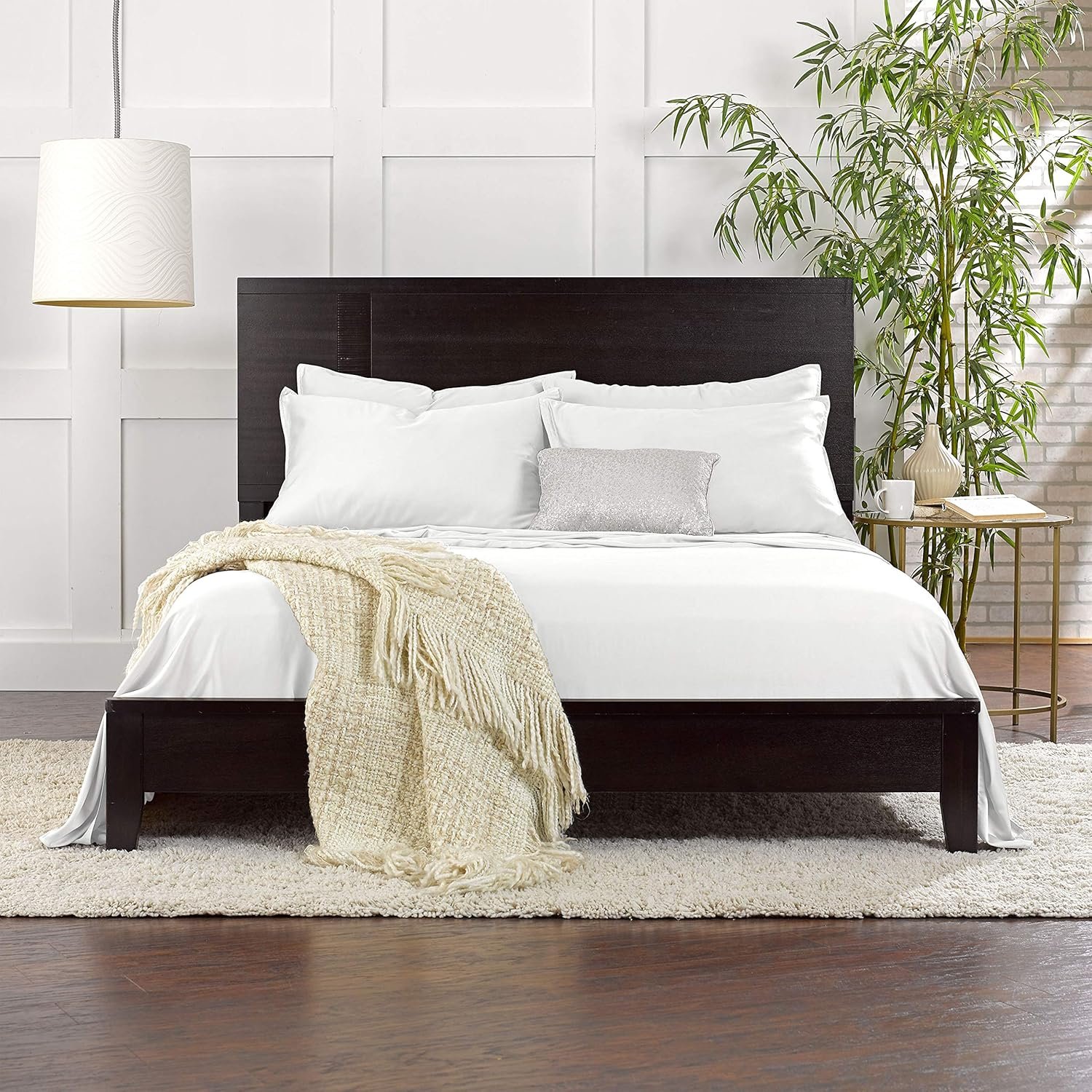
King Sheets by Pure Bamboo, Genuine 100% Organic Viscose Derived from Bamboo Bed Sheet Set
$109.99
The budget-friendly entry point into bamboo luxury. These sheets deliver excellent cooling performance and that signature silky feel at a price that won't require justifying to your partner.
See Today’s Price →That said, if you're a hot sleeper, bamboo sheets are genuinely worth exploring. The cooling effect is real, not marketing. You'll notice the difference on night one. The key is understanding that you're trading durability for comfort—bamboo sheets need gentler care and typically last 1-2 years before they start showing signs of wear (pilling, color fading), whereas quality cotton can last 3-5 years.
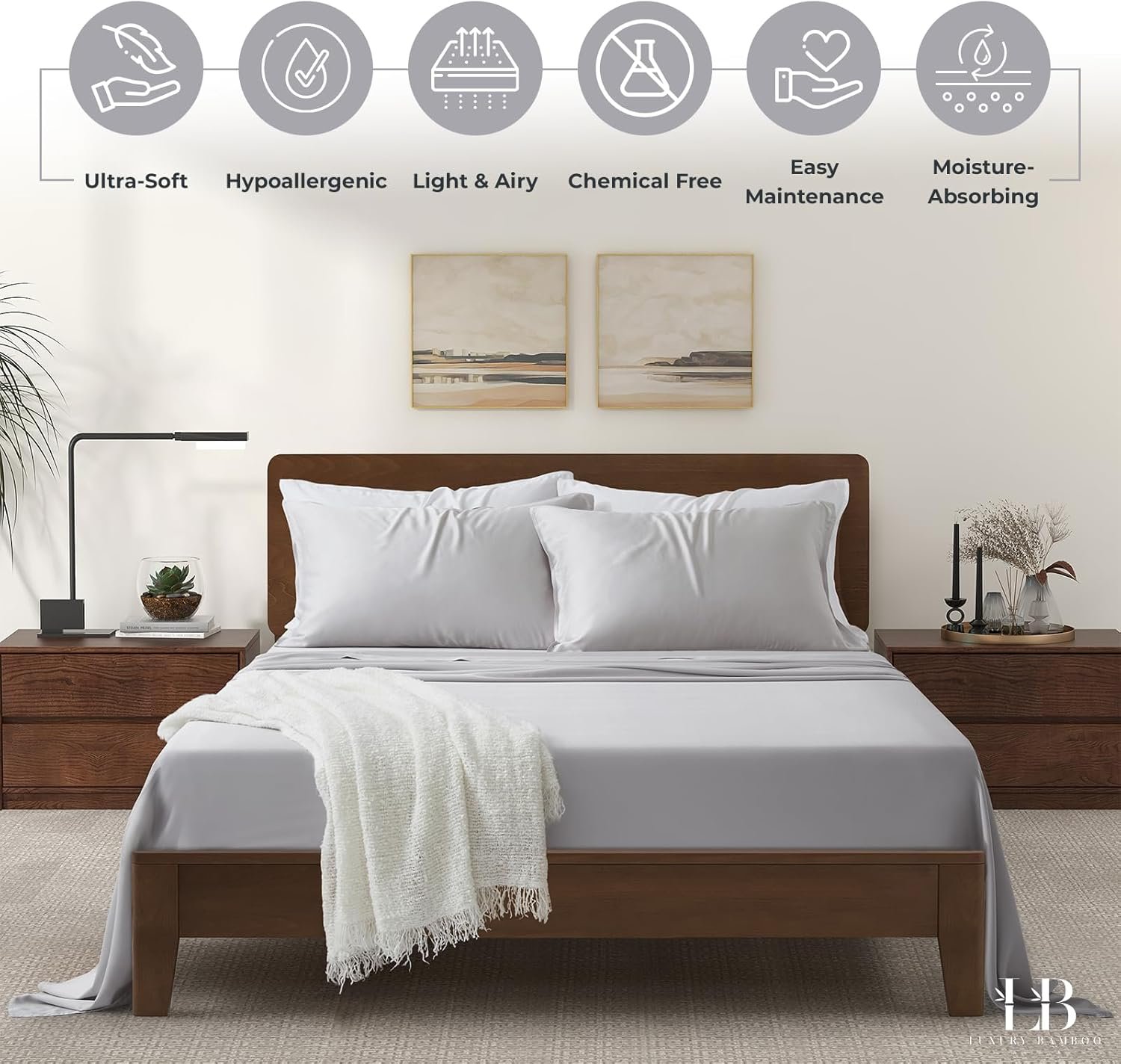
Luxury Bamboo Market | King Size Bed Sheet Set | 100% Viscose Made from Bamboo
$134.94
A mid-range option that includes extra pillowcases and offers slightly better weight and construction than budget alternatives, for slightly more investment.
See Today’s Price →Enjoying this article?
Get curated picks in your inbox every Sunday.
Organic Cotton Percale: The Durability Champion
While bamboo is the flashy newcomer, organic cotton percale is the sophisticated classic. Percale weave—a tight, plain weave rather than sateen—creates sheets with a crisp, cool-to-the-touch feel that many luxury hotels use for exactly this reason.
Organic cotton percale sheets offer several advantages over bamboo: they're more durable (lasting 3-5 years with proper care), they breathe beautifully without the slipperiness, they wrinkle less, and they actually get softer and more comfortable with every wash. They're also the choice for environmentally conscious sleepers, since organic cotton avoids synthetic processing.
The tradeoff? Organic cotton percale costs more upfront and doesn't have the same "cooling" sensation as bamboo. If you're already a hot sleeper, you might find traditional cotton insufficient. It's breathable, but it doesn't have that active temperature-regulating magic of bamboo. Additionally, percale has a more formal, crisp texture—some people love it, others find it less soft than sateen-weave cotton or bamboo.
"The sheets that make you feel luxe on day one aren't always the ones that feel luxe on year two. That's the difference between bamboo and percale cotton."
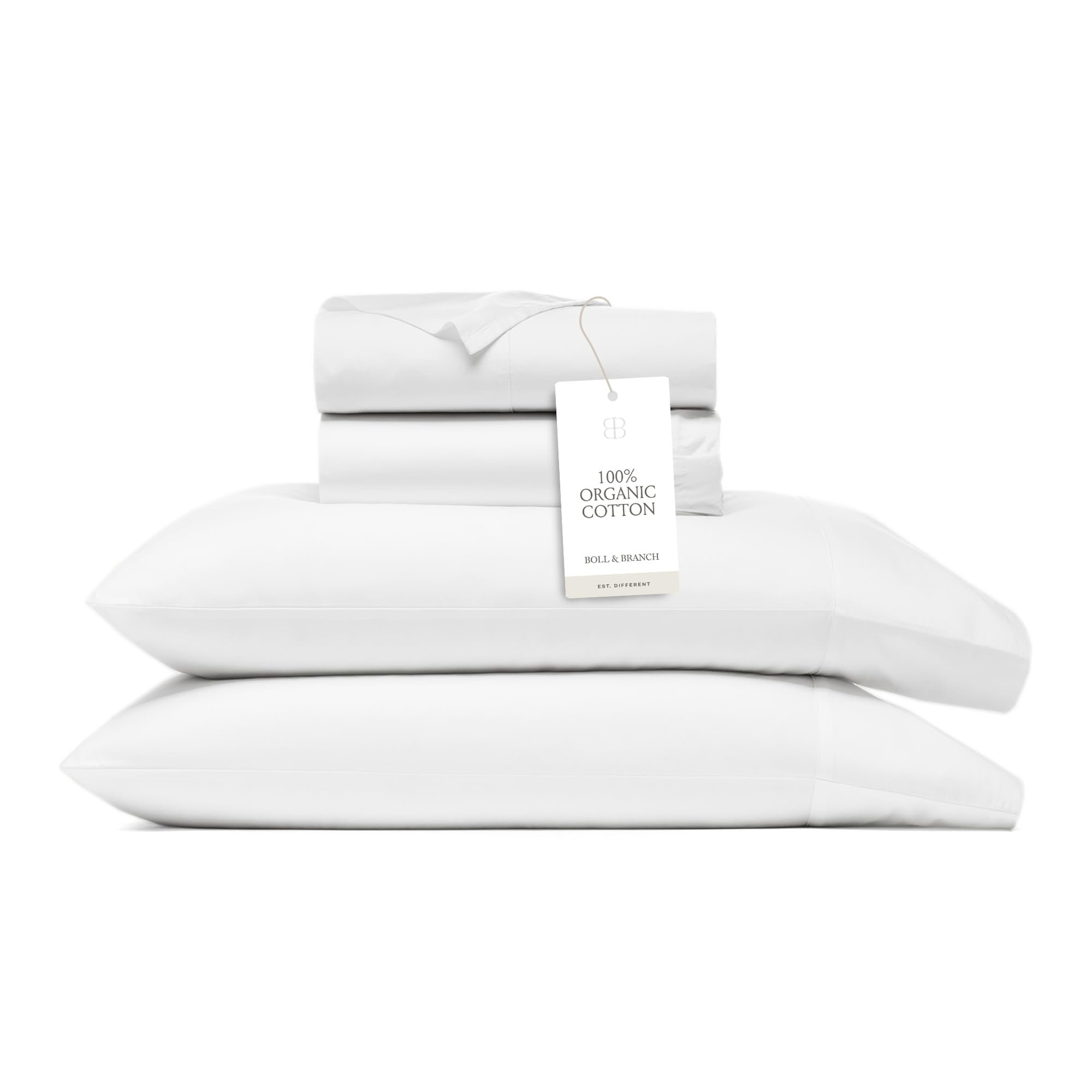
BOLL & BRANCH Percale Hemmed Sheet Set - Cooling Breathable Bed Sheets for Hot Sleepers - Queen, White
$279.00
Premium organic cotton percale from a brand known for exceptional standards. Hemmed edges and superior construction justify the price tag if longevity matters to you.
See Today’s Price →Head-to-Head Comparison: Bamboo vs. Cotton on 5 Metrics
1. Temperature Regulation & Cooling Performance
Winner: Bamboo Sheets, but with an important caveat. Bamboo viscose genuinely regulates temperature better due to its micro-gap structure. If you sleep hot, you'll feel the difference immediately. However, organic cotton percale is no slouch—it breathes exceptionally well, just through different mechanics. For someone who runs hot, bamboo wins. For someone who simply wants breathable sheets, percale is equally excellent.
2. Softness & Feel
Winner: Bamboo Sheets. That silky, luxurious sensation is part of what makes people fall in love with bamboo sheets on night one. Cotton percale is crisper, which some people adore for its hotel-quality feeling, but if "soft" is your primary desire, bamboo delivers.
3. Durability & Longevity
Winner: Organic Cotton Percale, decisively. Quality cotton percale sheets will last 3-5 years with standard care. Bamboo sheets typically last 1-2 years before pilling and color fading become noticeable. This is the real cost consideration most people overlook.
4. Wrinkle Resistance & Maintenance
Winner: Organic Cotton Percale. Cotton naturally resists wrinkles better, and percale's tight weave compounds this. Bamboo sheets wrinkle easily and require more careful washing and drying. If you hate ironing sheets, percale is your answer.
5. Price & Value Over Time
Winner: Organic Cotton Percale (when calculated over time). Yes, bamboo sheets cost less upfront, but when you factor in durability and replacement frequency, the math shifts dramatically. Spending $110 on bamboo sheets that last 18 months costs you about $88 per year. Spending $279 on percale that lasts 4 years costs you about $70 per year. Plus, percale improves with time; bamboo deteriorates.
The Real Cost of Luxury: Is Premium Worth the Investment?
Here's the uncomfortable truth: most people buying "luxury" sheets are making a feeling-based purchase, not a logic-based one. And there's nothing wrong with that. Sheets that make you excited to get into bed have value beyond thread count and durability metrics.
The question you should be asking yourself isn't "Which is objectively better?" but rather "Which is better for my specific needs and budget?"
If you have a specific sleep challenge—chronic night sweats, hot flashes, overheating in a warm climate—bamboo sheets are worth the premium price and shorter lifespan. You're solving a problem, and the investment delivers real daily value.
If you want sheets that will be equally comfortable in year one and year four, that improve with every wash, and that require minimal maintenance, organic cotton percale is worth the higher upfront cost.
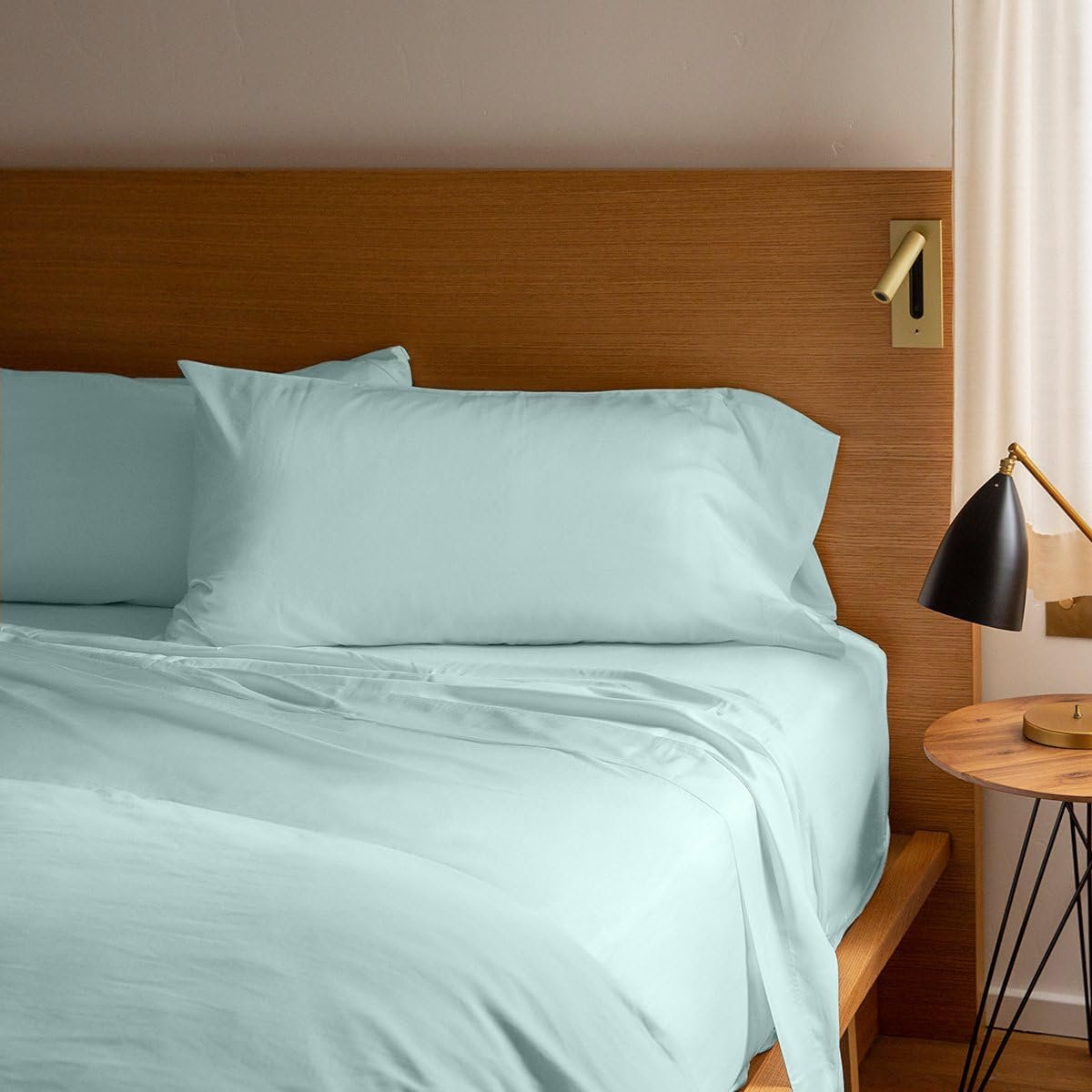
Pure Fiber Luxe Rayon Bamboo 4pc Sheet Set | Premium Quality, Soft & Breathable Bedding
$220.00
A premium mid-range option that includes all four pieces (sheets, two pillowcases). Good for testing whether bamboo is your sleep solution before investing in multiple sets.
See Today’s Price →Let's also acknowledge what we look for when evaluating bedding products: performance, durability, value, and how they actually feel in real life. Both bamboo and cotton exceed basic sheets on all fronts. The question is which one matches your specific priorities.
How to Choose Based on Your Sleep Style & Budget
Choose Bamboo If You:
- Sleep hot or experience night sweats
- Live in a warm climate or have a warm-blooded partner
- Prioritize that luxury silky feeling above all else
- Don't mind replacing sheets every 1-2 years
- Have a budget under $150 and want the premium feel immediately
Choose Organic Cotton Percale If You:
- Want sheets that last multiple years without deterioration
- Sleep in a cool or temperate climate
- Prefer a crisp, cool-to-the-touch feel (like hotel sheets)
- Want minimal maintenance and wrinkle resistance
- Value environmental sustainability and natural fibers
- Have a higher budget and want long-term value
The bedroom is where proper layering creates comfort, and sheets are the foundation of that system. Getting this decision right matters because you'll spend roughly 2,920 hours per year in these sheets. That's worth thinking through carefully.
One final thought: don't let perfect be the enemy of good. Both bamboo and organic cotton percale are genuinely nice sheets. You literally cannot make a wrong choice between them—only a choice that's right or wrong for your specific situation. The hot sleeper choosing bamboo won't regret it, even if it needs replacing in 18 months. The person who values durability choosing percale won't feel cheated by the higher price, even if they run slightly warm. Both are legitimate luxury choices.
The real luxury isn't the thread count or the fabric origin story. It's waking up in sheets that feel exactly right for your body and your sleep style. Start there, and you can't go wrong.