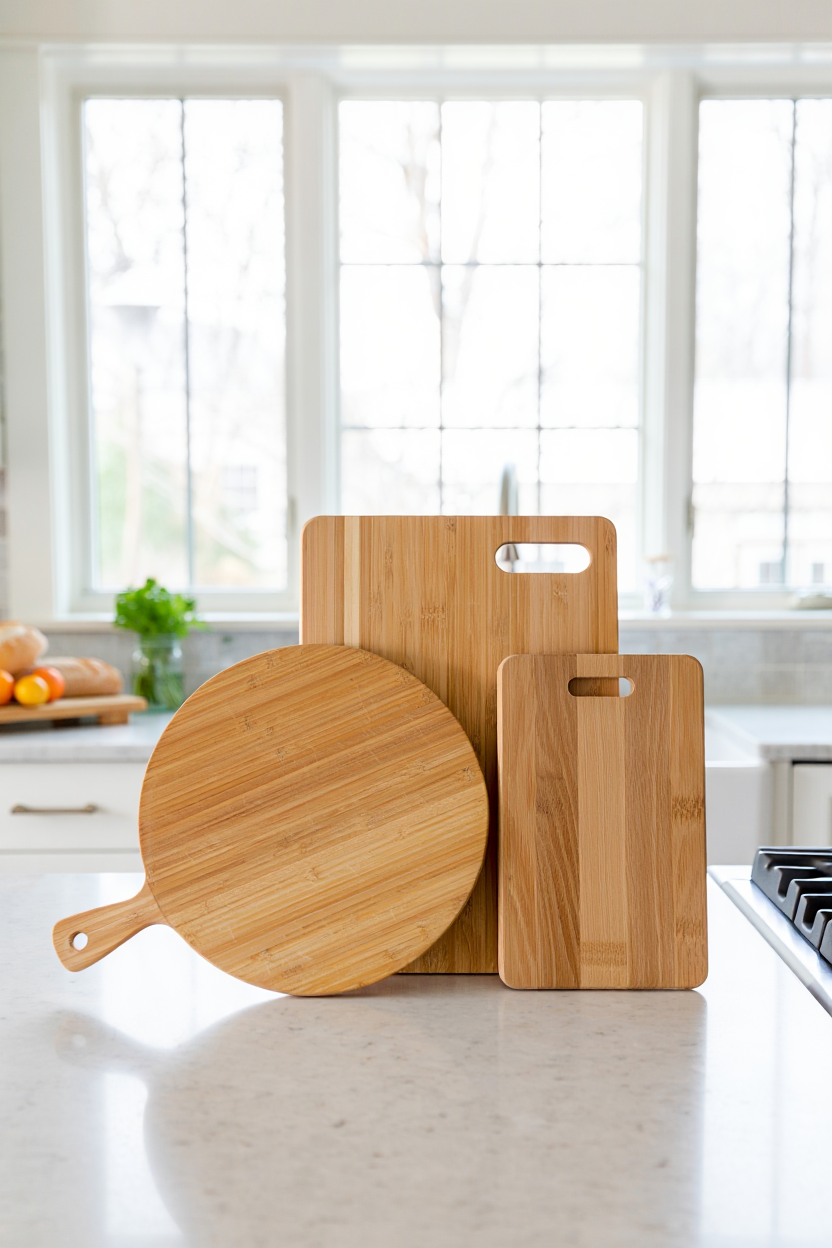
Style Your Kitchen Counter: 5 Wooden Cutting Boards That Double as Serveware
If you're looking to elevate your kitchen's aesthetic without a major renovation, wooden cutting boards are an underrated hero. They're practical, beautiful, and versatile—bridging the gap between prep work and tabletop entertaining. The best part? You don't need to spend a fortune to find boards that look like they belong in a design magazine.
Let's explore how to choose wooden cutting boards that earn their counter real estate and transform the way you cook and serve.
Why Wooden Cutting Boards Are a Kitchen Game-Changer
Wooden cutting boards do something plastic and glass alternatives simply can't: they add warmth and texture to your kitchen while being genuinely functional. They're gentler on knife blades, easier on your hands, and—when styled thoughtfully—become part of your kitchen's overall design story.
The magic happens when you choose boards that work both in your prep zone and on the table. A beautiful wooden board holding cheese, cured meats, and bread instantly elevates a casual dinner. The same board that prepped tonight's vegetables becomes tomorrow's serveware. That's smart, sustainable design.
What to Look for in a Wooden Cutting Board
Size and Shape Matter
Before you buy, think about how you'll actually use it. A smaller, rectangular board (around 12 x 8 inches) is perfect for prepping vegetables and fits easily on a standard counter. Larger boards (16 x 12 inches or bigger) work beautifully for serving and give you room to arrange multiple items without crowding.
Round boards have become increasingly popular for serveware—they photograph beautifully and feel more casual and inviting than their rectangular cousins. Consider your counter layout and dining table space when deciding.
Wood Type and Finish
Acacia, walnut, bamboo, and cherry are all excellent choices. Acacia is durable, affordable, and gorgeous with its rich grain patterns. Walnut offers elegance and darker tones that pair well with modern kitchens. Look for boards with food-safe, natural oil finishes rather than heavy varnishes—they'll age beautifully and won't flake into your food.
Thickness and Weight
A quality cutting board should feel substantial in your hands. Thicker boards (around 1.5 inches) are more stable during prep work and less likely to warp over time. They're also more forgiving if you're an enthusiastic chopper.
5 Wooden Cutting Boards That Look (and Function) Like Luxury
1. The Minimalist Rectangle
Clean lines and a natural finish are the hallmarks of boards that work in any kitchen style. Look for a simple rectangular board in walnut or acacia with minimal detailing. These boards are the workhorse of your kitchen—they prep vegetables at breakfast and hold a charcuterie spread at dinner. The understated design means they're equally at home on a farmhouse table or a modern dining surface. Under $25, these boards offer incredible value.
2. The Statement Serving Board
Larger boards with interesting grain patterns or subtle carved details become conversation pieces. A 16 x 10-inch board with a rustic edge or natural live edge creates visual interest without screaming for attention. These boards shine when topped with cheese, fruit, and bread. They're the ones you'll actually leave out on the counter because they're too beautiful to hide away. Budget $25–$30 for quality here.
3. The Dual-Sided Workhorse
Some boards feature one side smooth (for chopping) and the flip side with a groove around the perimeter (for catching juices during carving or serving). This clever design maximizes functionality and shows smart thinking. It's the board that truly does it all—no need to shuffle between different pieces. Expect to spend $20–$35 depending on size and wood type.
4. The Nesting Set
If you have the counter space and love a curated look, consider a set of two or three boards in graduating sizes. They stack beautifully and create a polished look when displayed on open shelving or a kitchen island. A small board for prep, a medium for everyday serving, and a large statement board for entertaining gives you options without cluttering your space.
5. The Wood-Grain Showstopper
Some boards feature particularly beautiful grain patterns—swirling walnut, light and dark acacia stripes, or cherry wood's rich undertones. These are the boards where you want the wood itself to be the star. Pair one with simple white dishware, and the board becomes part of your table styling. These often run $25–$35 but feel like a designer find.
How to Style Wooden Cutting Boards in Your Kitchen
Don't hide your boards in a cabinet. Lean one against a kitchen backsplash, or store them in an open rack on the wall. Group them with other warm-toned kitchen accessories—ceramic bowls, linen towels, potted herbs—to create a cohesive, inviting counter vignette.
When serving, arrange food directly on the board to minimize extra dishes and create an effortless, elegant presentation. A board topped with seasonal fruits, cheese, nuts, and fresh herbs becomes an instant centerpiece that guests love.
Care and Longevity
Wooden boards will develop character and patina over time, which is part of their appeal. Hand wash them immediately after use, dry thoroughly, and oil them monthly with food-safe mineral oil. This simple maintenance keeps them looking beautiful and prevents warping. They'll last for years—becoming more beautiful with age.
The Bottom Line
A well-chosen wooden cutting board is one of the smartest investments you can make for your kitchen. It's functional enough for daily prep work, beautiful enough to be part of your décor, and versatile enough to transition seamlessly from kitchen to table. At under $35, quality wooden boards are accessible luxury.
Start with one that speaks to you—maybe that gorgeous walnut rectangle or the board with stunning grain—and let it become the foundation of a kitchen that feels both welcoming and thoughtfully designed.