Garden Ready: 5 Planter Styles to Refresh Your Spring Entryway
Spring is the perfect time to reimagine your outdoor space, and it all starts at the entryway. Whether you're welcoming guests or simply stepping outside for your morning coffee, the right planters can completely transform how your home feels. The beauty of planter styling is that it doesn't require a major renovation or a huge budget—just thoughtful choices about shape, material, and arrangement.
In this guide, we'll walk you through five planter styles that work beautifully for spring entryways, plus practical tips for layering them to create that coveted garden-ready look. Whether your aesthetic leans modern, rustic, or somewhere in between, there's a planter combination that will make your outdoor space feel intentional and inviting.
Why Planters Matter More Than You Think
Planters are often overlooked in home design, but they're actually one of the easiest ways to add color, texture, and life to your entryway. Unlike furniture, which requires commitment and space, planters are flexible—you can swap them out seasonally, move them around, and experiment without guilt. They're also incredibly forgiving; a modest entryway becomes instantly more curated when you add layered planters with complementary greenery.
The key to styling planters successfully is thinking about three elements: material (what your planter is made of), scale (how big or small it is), and arrangement (how you group them together). Get these right, and your spring entryway will look like it belongs in a design magazine.
The 5 Planter Styles That Define Spring
1. Classic Terracotta: Timeless and Warm
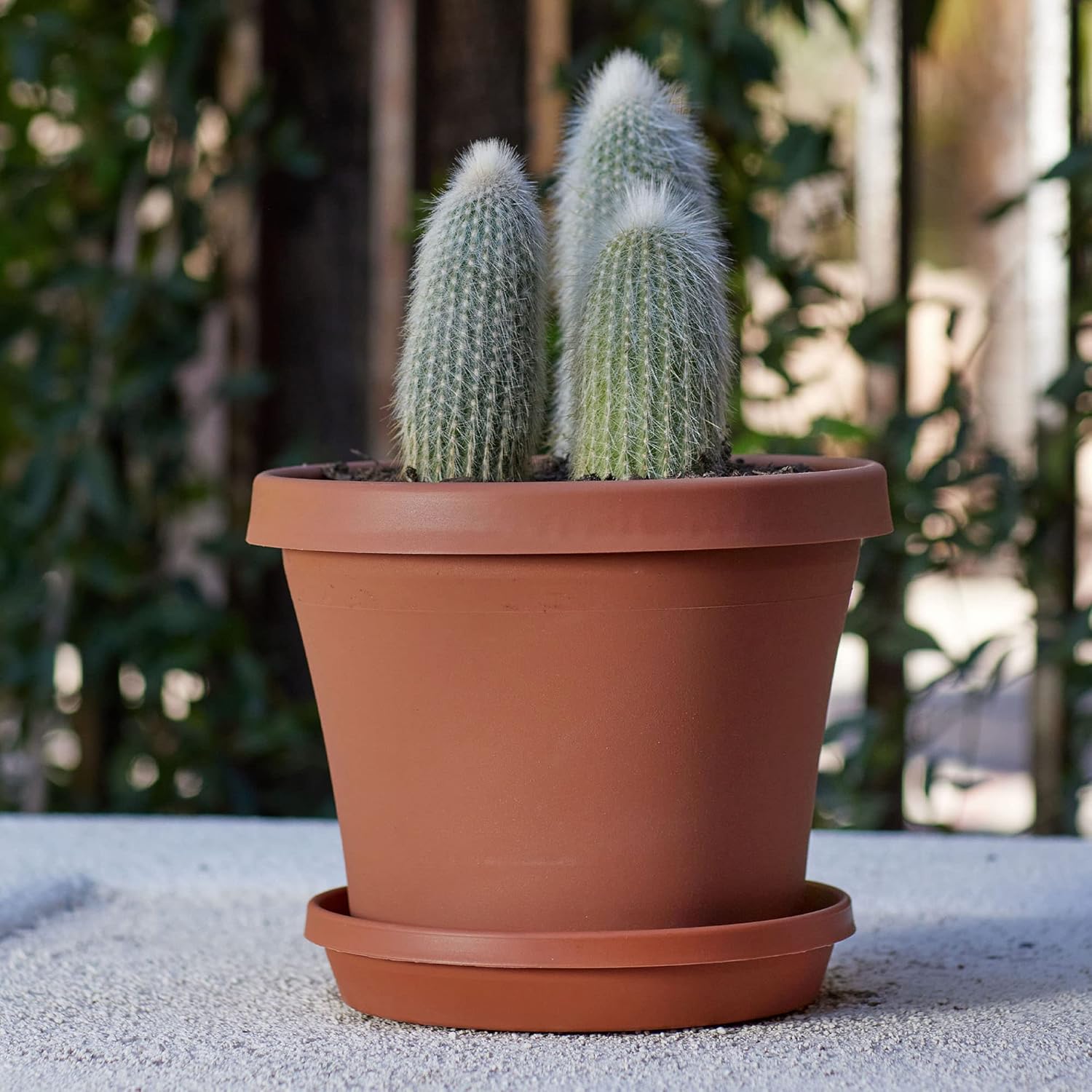
Terracotta planters are a spring essential for a reason. Their warm, earthy tone complements nearly every plant and color palette, and they have an inherent charm that feels both approachable and sophisticated. The slightly weathered, rustic quality of terracotta actually improves with age—a few seasons of sun and rain give it character.
For your entryway, pair traditional terracotta pots in graduated sizes. Place a large terracotta planter (10-12 inches) on one side of your door, and cluster two smaller ones (6-8 inches) on the other side. Fill them with spring favorites like pansies, snapdragons, or fresh herbs. The asymmetrical grouping feels more intentional than matching pairs, and it works for both modern and traditional homes.
Pro tip: Terracotta is porous, so it dries out faster than other materials. Use a moisture-retaining potting mix and water consistently during spring, especially if your entryway gets strong afternoon sun.
2. Modern Ceramic: Clean Lines and Contemporary Vibes
If your home leans minimalist or contemporary, ceramic planters are your answer. Glazed ceramic comes in dozens of finishes—matte, glossy, speckled—and colors range from subtle neutrals to bold jewel tones. The smooth surface and geometric shapes of modern ceramic planters feel intentional and curated.
Ceramic planters work beautifully when you mix heights and sizes but keep the color palette consistent. For example, choose three ceramic planters in soft gray or white, but vary their heights from 8 to 14 inches. Arrange them in a staggered line along your entryway, and plant them with trailing ivy, ferns, or ornamental grasses. The negative space between the pots becomes part of the design.
Pro tip: Ceramic retains moisture longer than terracotta, so you won't need to water as frequently. Just ensure your planters have drainage holes to prevent root rot.
3. Mixed Material: Texture and Visual Interest
One of the most sophisticated approaches to spring planter styling is mixing materials intentionally. Combine terracotta with ceramic, or add a woven basket planter alongside glazed pots. This eclectic approach feels collected and thoughtful rather than matchy-matchy.
Start with a statement piece—perhaps a larger ceramic planter in a bold color like sage green or dusty blue. Flank it with terracotta pots in neutral tones, and add a woven or wicker planter for warmth and texture. This layered approach gives your entryway depth and makes it feel like a curated garden, not a store display.
Pro tip: When mixing materials, let color and texture guide your choices. If your ceramic planter is bold, keep the terracotta neutral. If everything is neutral, you can be bolder with the woven textures.
4. Tall and Sculptural: Make a Statement
Spring is the season to go bold. Statement planters—tall, sculptural pieces in interesting shapes or colors—anchor an entryway and immediately elevate the space. A dramatic planter doesn't need to be expensive; look for angular ceramic pots, tall tapered terracotta, or uniquely shaped vessels in the $20–$35 range.
Place one tall statement planter as the focal point of your entryway, ideally to one side of your door rather than directly centered. Fill it with a single, striking plant—a tall ornamental grass, a small topiary, or a lush fern. Then balance it with smaller, rounder planters on the other side. This creates visual interest and guides the eye through your entryway.
Pro tip: Tall planters can look top-heavy if overstuffed. Choose one or two plants max, and prune them to a clean shape so the planter's form stays visible.
5. Grouped and Clustered: The Garden Feel
For a truly garden-ready entryway, embrace clustering. Instead of spreading planters across a large space, group several smaller pots together in a concentrated area. This approach feels abundant, intentional, and gives even a modest entryway major curb appeal.
Choose planters that vary in size but feel cohesive—perhaps all terracotta, or all ceramic in a neutral palette. Arrange them so taller planters are in the back and shorter ones in front, creating a tiered effect. Fill them with complementary plants: trailing ivy cascading over the edges, upright flowers in the center, and low herbs or sedums in front. The result looks like a carefully curated garden corner.
Pro tip: Odd numbers (3, 5, or 7 planters) feel more natural and balanced than even groupings. This principle applies whether you're clustering on a step, along a railing, or flanking a doorway.
Styling Tips for Maximum Impact
Layer Your Heights
The most common mistake in planter styling is keeping everything at the same height. Mix tall and short planters to create visual rhythm. Place taller pots behind shorter ones, or use plant height to vary the arrangement. This layering makes your entryway feel intentional and dynamic.
Think About Repetition
Repeating a planter style, color, or material across your entryway creates cohesion. You might use three terracotta pots in different sizes, or three ceramic planters in the same matte finish but different heights. This repetition signals intentionality and makes even a small space feel curated.
Choose Plants That Complement Your Planters
The plants inside matter as much as the pots themselves. Trailing plants like ivy or trailing petunias soften the edges of planters and add movement. Upright flowers like snapdragons or tulips emphasize the planter's shape. Mix textures with fine-leafed plants (ferns, ornamental grasses) and fuller, rounded foliage (hostas, heuchera).
Consider Your Climate
Spring weather is unpredictable. In cooler regions, start with cold-hardy plants like pansies, primrose, and ornamental kale. In warmer areas, you can go bolder with heat-loving annuals. Check your local growing zone and choose plants that will thrive in your