Why Your Dinnerware Set Matters More Than You Think
Choosing the right dinnerware set is one of those decisions that feels small in the moment but reveals itself to be genuinely important over time. You'll use these plates, bowls, and cups multiple times per week—sometimes multiple times per day—for years. They're not just functional objects; they're part of how you feed yourself and the people you care about. They set the tone for everyday meals and special dinners alike. A well-chosen dinnerware set can elevate the simple act of eating breakfast or make a casual weeknight dinner feel intentional.
Yet many people choose dinnerware by accident—grabbing whatever matches their kitchen cabinets or just picking the first set that catches their eye. The result is often regret: plates that chip easily, sets that feel cheap or cold, or dishes that clash with your actual aesthetic once they're in daily use. This buyer's guide exists to help you avoid that path. We'll walk through materials, budgets, durability, and aesthetics so you can find a dinnerware set that genuinely works for how you live.
Dinnerware Materials Explained: Porcelain vs. Ceramic vs. Stoneware vs. Bone China
Before you look at specific sets, understanding materials is essential. Each material has different durability, aesthetic qualities, and price points.
Porcelain
Porcelain is made from kaolin clay fired at very high temperatures, creating a non-porous, smooth surface. It's chip-resistant, dishwasher-safe, and affordable. Porcelain won't absorb stains or odors, making it practical for everyday use. The downside: it can feel slightly cold or clinical, and very thin porcelain can sometimes feel delicate despite being durable. Porcelain is your best bet if you want reliability without a luxury price tag.
Ceramic
Ceramic is fired at lower temperatures than porcelain, making it slightly more porous and prone to chipping. However, ceramic offers more warmth and character than porcelain—it has a softer, more handmade quality. Ceramic is excellent for a casual, lived-in aesthetic. It's also quite affordable. The trade-off is longevity; ceramic dinnerware typically won't last as long as porcelain under heavy use.
Stoneware
Stoneware splits the difference between ceramic and porcelain. It's fired at higher temperatures than ceramic but in a different way than porcelain, resulting in a durable, slightly textured material with warmth. Stoneware has earthy appeal and works beautifully in farmhouse, rustic, and modern-casual kitchens. It's more durable than ceramic but typically costs slightly more.
Bone China
Bone china contains at least 30% bone ash, making it stronger and more translucent than porcelain. It has a warm, ivory tone that feels elegant and refined. Bone china is the most durable dinnerware material and can last decades with proper care. It's also the most expensive. Bone china makes sense if you value longevity, a sophisticated aesthetic, and are willing to invest upfront.
"The right dinnerware set becomes invisible—you stop thinking about the dishes and just enjoy the meal."
Enjoying this article?
Get curated picks in your inbox every Sunday.
Budget Breakdown: Finding Quality Dinnerware Under $100
If you're starting out, don't have much kitchen space, or simply want to test a new aesthetic before committing, sets under $100 offer surprising quality. You'll typically get porcelain or ceramic in these price ranges, which are perfectly adequate for everyday use.
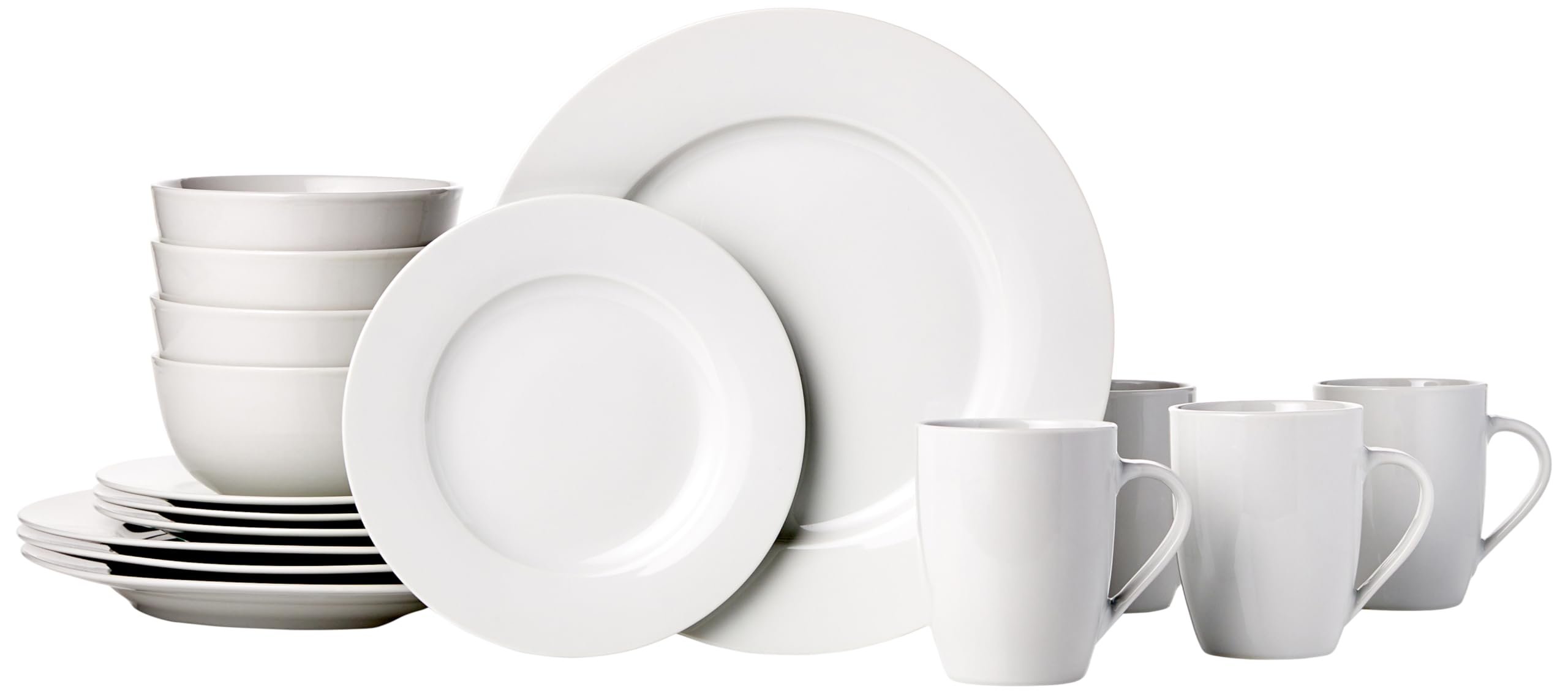
Amazon Basics 16-Piece Porcelain Dinnerware Set
$33.44
This no-nonsense set is genuinely well-made porcelain at a price that won't make you wince. Service for four with dinner plates, salad plates, and bowls. If you need dinnerware fast and don't want to spend much, this is it.
See Today’s Price →At this price point, expectations should be realistic: the aesthetic will be plain, you won't get as many place settings, and you might not have specialty pieces like serving platters. But you will get durable, serviceable dinnerware that won't embarrass you in front of guests.
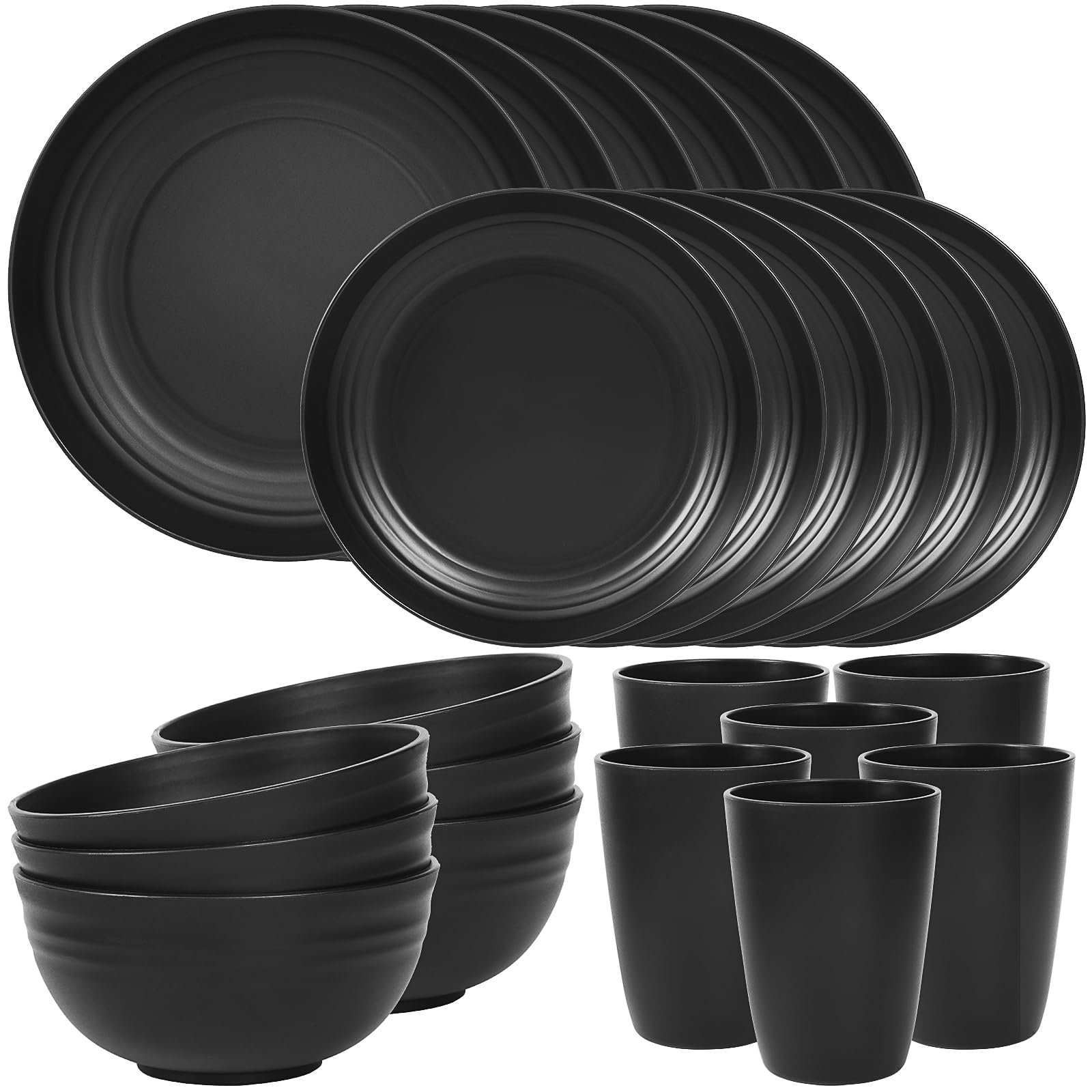
Quatish 24-Piece Plates and Bowls Sets for 6
$24.99
Outstanding value for service for six. You get dinner plates, salad plates, and bowls—all the essentials. The glaze is smooth and the pieces feel heavier than the price suggests. Perfect if you regularly host or have a larger household.
See Today’s Price →Both of these sets are porcelain, which means they'll resist staining and won't degrade quickly. They're also completely dishwasher-safe and microwave-safe. The aesthetic is clean and neutral, so they'll work with almost any kitchen style.
Mid-Range Masters: The Sweet Spot ($100–$200)
This is where you start getting personality and character. At this price point, you'll find better design, more durable materials, and sets that actually look like you chose them intentionally rather than grabbed them out of necessity.
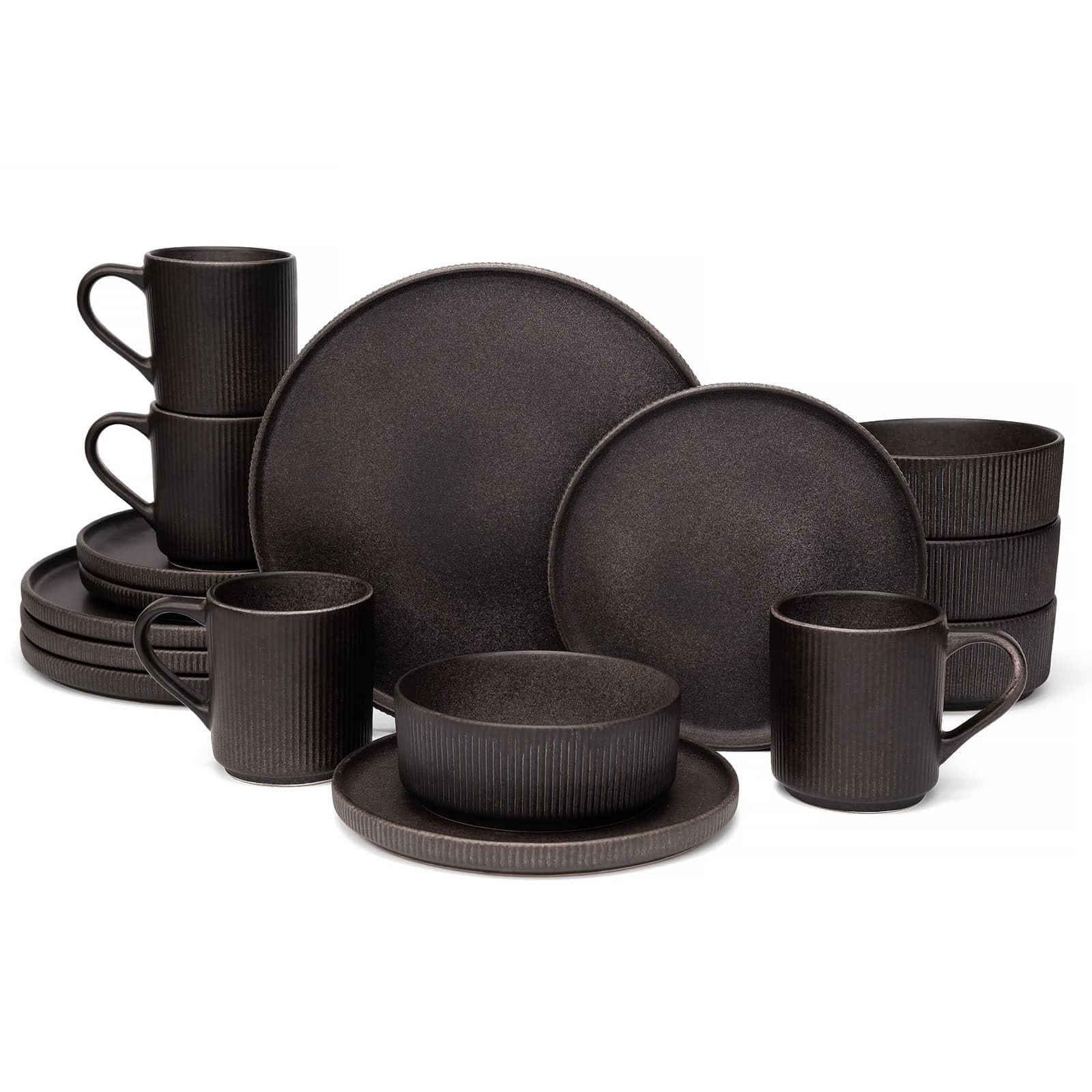
OTAGO 16-Piece Dinnerware Set with Mugs
$89.99
This is a smart buy for the price. You get service for four with dinner plates, salad plates, bowls, and bonus mugs. The glaze is slightly speckled, giving it texture and visual interest without being trendy. Works beautifully in modern, farmhouse, or eclectic kitchens.
See Today’s Price →The OTAGO set is particularly clever because it includes mugs—making it a more complete dining solution. The speckled glaze adds visual depth that reads as intentional design rather than budget basics. This is the kind of set that makes everyday meals feel slightly elevated without requiring you to rotate in special dinnerware.
Investment Pieces: When Premium Dinnerware Makes Sense
Bone china and high-end porcelain sets cost $150 and up, sometimes significantly more. This is worth doing if: you genuinely love a specific design, you eat most meals at home and want that experience elevated, you collect china and want pieces that appreciate in value, or you're buying for a significant life milestone (marriage, major anniversary, major home purchase).
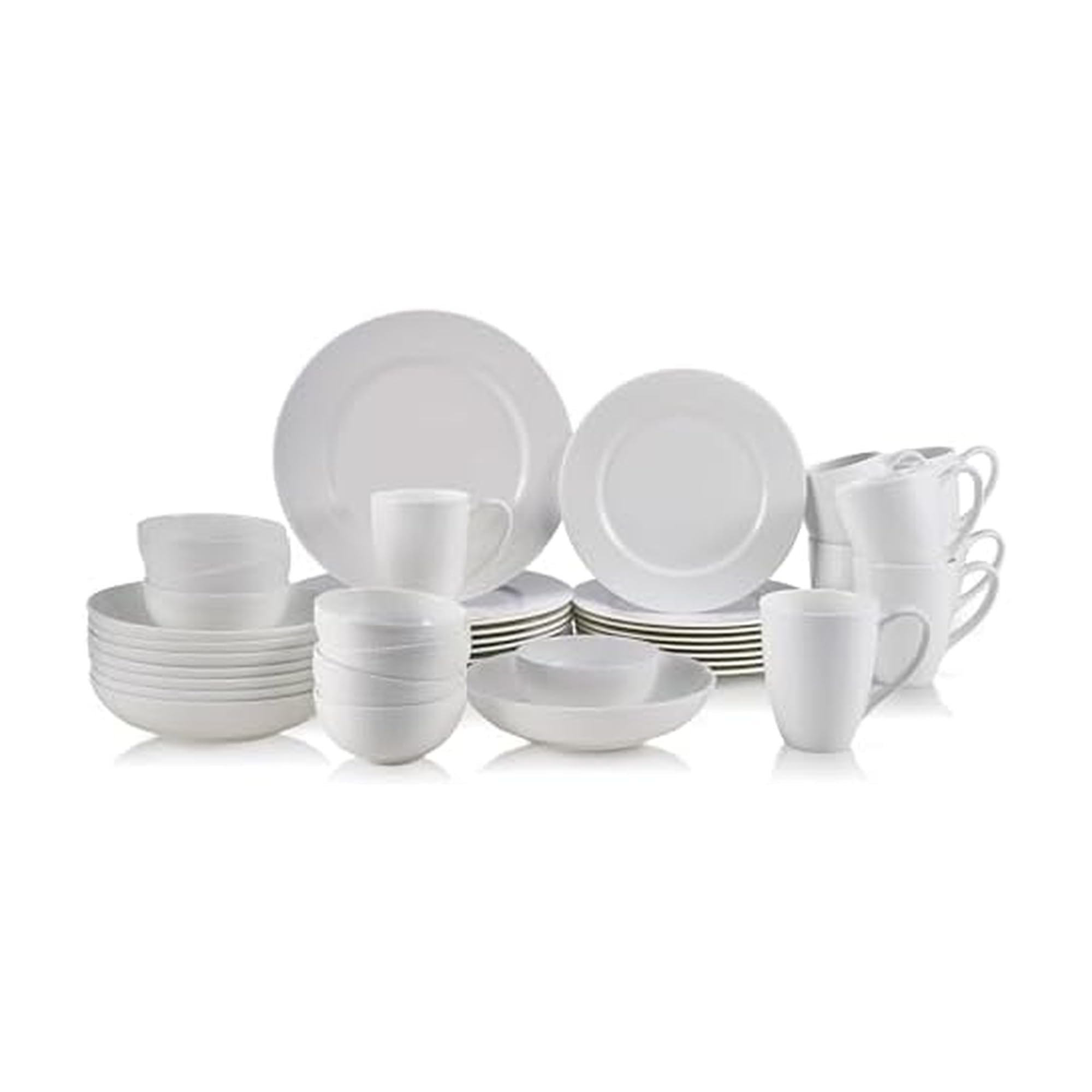
Mikasa Annabelle Bone China 40-Piece Set
$147.37
Service for eight in genuine bone china with a subtle, sophisticated pattern. You get dinner plates, salad plates, bowls, and mugs. The ivory tone of bone china feels warmer than white porcelain. This set has real longevity and can be passed down.
See Today’s Price →The Mikasa Annabelle is positioned at the lower end of bone china pricing, but you're still getting a material that will outlast you. The pattern is understated—a delicate border rather than bold graphics—which means it won't feel dated in a decade.
Mikasa Samantha Bone China 40-Piece Set
$239.99
A step up in design, this bone china set features a more pronounced pattern with botanical details. Service for eight. If you want your dinnerware to be a statement piece—something you're genuinely excited to pull out—this is the investment level where that happens.
See Today’s Price →Match Your Dinnerware to Your Kitchen Aesthetic
Dinnerware isn't separate from your kitchen—it's part of your overall design story. Before committing to any set, consider how it relates to your existing aesthetic.
Modern Minimalist Kitchens
Go for stark white porcelain or cream-toned bone china with no pattern. Clean lines, simple shapes. The Amazon Basics set or the Mikasa Annabelle would both work here.
Farmhouse & Rustic
Stoneware or textured ceramic in cream, gray, or soft blue. Look for sets with subtle pattern or speckled glazes. The OTAGO set with its speckled finish fits perfectly here. Vintage or mismatched vintage sets also work beautifully in this aesthetic.
Eclectic & Bohemian
Ceramic with color, pattern, or artisanal details. You can actually break the rule of matching sets—eclectic kitchens often look better with pieces that don't match perfectly but share a color story.
Traditional & Formal
Bone china with patterns, florals, or gold accents. The Mikasa sets lean into this territory. You want dinnerware that reads as intentional and refined.
Contemporary Casual
Porcelain or ceramic in solid colors—particularly warmer tones like cream, sage, or warm gray. Subtle texture is good; busy patterns are less successful here.
The Durability Factor: What Really Lasts
Not all dinnerware is created equal, even within the same material category. Here's what actually determines how long your set will survive.
Firing temperature. Higher-fired pieces are denser and more durable. Porcelain and bone china are fired hotter than ceramic, which is why they last longer.
Glaze quality. Cheap glazes chip and crack easily. Better dinnerware has a glaze that's integrated into the clay body, not just painted on. If a product photo shows obvious gloss or shine with visible brushstrokes, be cautious.
Handle placement. Handles and attachment points are where most breakage happens. Look for handles that feel substantial and well-integrated, not spindly or glued-on feeling.
Edge treatment. Rolled or beveled edges chip less easily than sharp, thin edges. This matters more if you load your dishwasher aggressively or have kids.
Manufacturer reputation. Brands like Mikasa and Corelle have decades of testing behind their designs. Budget brands that are simply cheap might cut corners in ways that aren't immediately visible.
Service for 4 vs. 6 vs. 8: How to Choose Your Set Size
Service size affects both price and practicality. Choose based on actual usage patterns, not aspirational entertaining.
Service for 4
Best for: couples, small families, people with limited storage space, anyone eating mostly alone or with a partner. Most of the budget sets fall here. Consider this if you rarely have more than 4 people eating at once. If you do entertain larger groups, you can supplement with casual serving pieces or buy a second set later.
Service for 6
Best for: families with kids, people who host