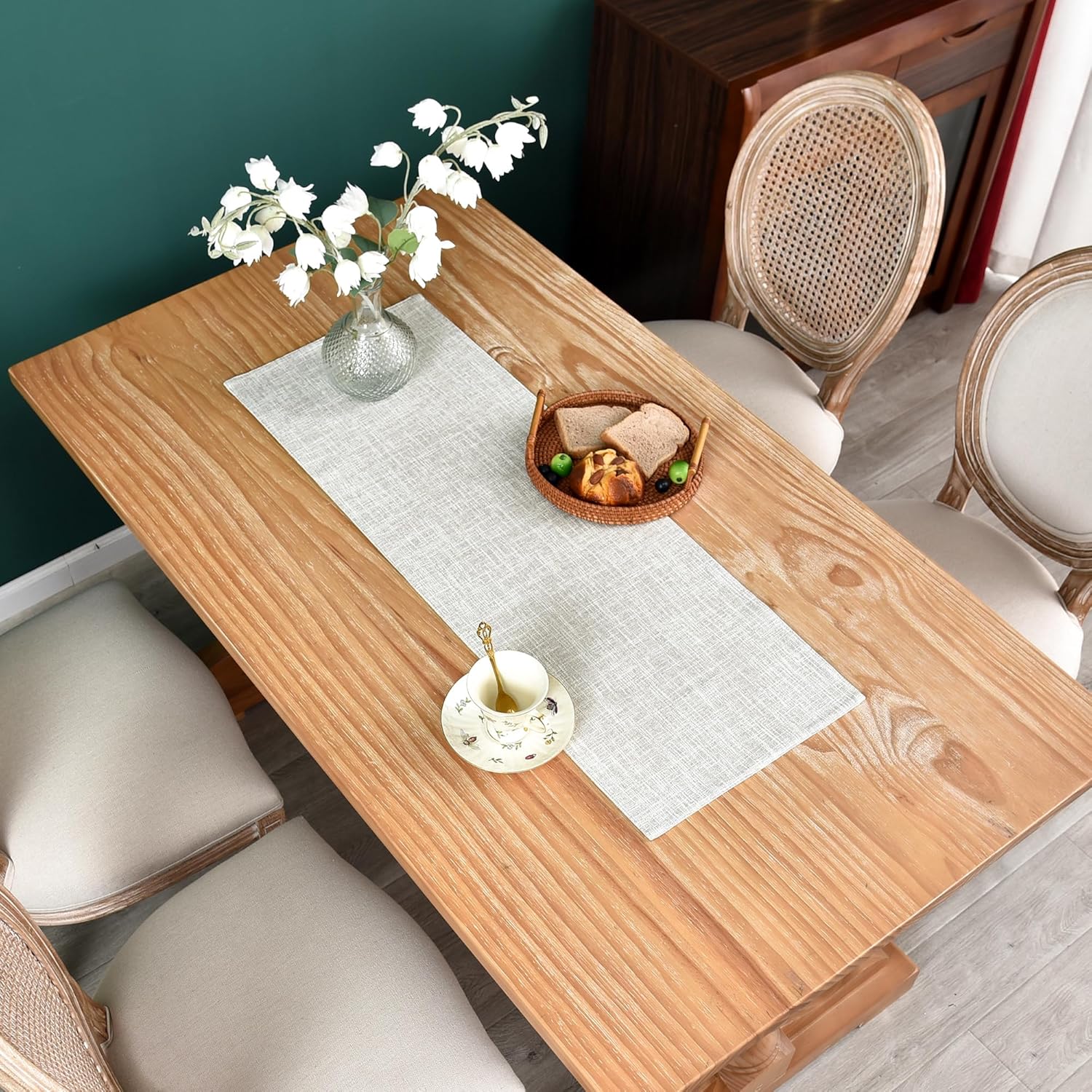
5 Ways to Layer Linen Table Runners for a Warm, Curated Dining Look
There's something about a well-styled dining table that makes a meal feel special—even if you're just having weeknight pasta. The secret? Layering. And one of the easiest, most affordable ways to master this trend is with linen table runners. Unlike heavy tablecloths, runners are forgiving, versatile, and create that coveted "styled but not overdone" aesthetic that makes your table look intentional and curated.
The best part? You don't need to spend a fortune. A quality warm neutral linen runner under $35 can be the foundation for multiple looks, and layering them strategically transforms a basic table into something that feels magazine-worthy. Let me show you exactly how.
Why Linen Runners Are the Secret to Easy Table Styling
Before we dive into the techniques, let's talk about why linen specifically works so well for layering. Linen has natural texture—those subtle slubs and slight color variations—that make it feel collected and authentic. It photographs beautifully in natural light, drapes elegantly without looking stiff, and reads as intentional rather than fussy. Warm neutrals like beige, cream, and soft taupe are the MVPs because they work with virtually any color palette and instantly warm up a dining space.
Unlike silky or shiny table linens, linen's matte finish doesn't compete visually when you layer. This means you can build complexity without the table feeling chaotic.
The 5 Layering Techniques That Transform Any Table
1. The Double-Runner Diagonal
Start with one linen runner laid lengthwise down the center of your table. Then, take a second runner—or even a contrasting table runner in a complementary color—and drape it diagonally across the first. This creates visual interest and dimension without overwhelming the space.
Why it works: The diagonal line creates movement and draws the eye across the table. It's especially effective on rectangular tables and feels unexpectedly elegant. The layering suggests intentionality—like you've styled the table for something special.
Styling tip: Keep both runners in the warm neutral family, or add one in a deeper tone (charcoal, sage green, or rust) to ground the look. The contrast between the layers is what makes this technique shine.
2. The Centered + Side Accent Pairing
Place your primary warm beige linen runner down the center as usual, then add a narrower runner or coordinating linen strip along one side of the table. This asymmetrical approach feels modern and collected, like you've thoughtfully arranged each layer.
Why it works: Asymmetry reads as more curated than symmetry—it suggests this is how the table naturally evolved, not how a designer mandated it. It also works brilliantly on tables that aren't perfectly centered, which is most real dining tables.
Styling tip: If you don't have a second runner, you can achieve this look by layering a table runner with a coordinating linen napkin or a folded linen tea towel tucked beneath placemats. The layering is what matters, not the piece's original purpose.
3. The Placemat Sandwich
Layer your warm linen runner with individual linen placemats positioned perpendicular to it. This technique is practical and beautiful—the runner grounds the look while the placemats define individual place settings.
Why it works: This approach balances style and function. Your table looks curated without feeling untouchable, and you've created clear visual zones for each diner. It's the easiest layering technique to execute.
Styling tip: Choose placemats in the same linen family or opt for one subtle shade deeper. If your runner is cream, try placemats in warm beige. This creates cohesion while still building texture and dimension. The monochromatic approach is inherently calming and expensive-looking.
4. The Runner + Textile Layering (Throw It On)
This is the bold move: layer your linen runner with a lightweight throw blanket or oversized linen textile draped artfully across one end of the table or over the back of a dining chair. It sounds unconventional, but it's stunning when done intentionally.
Why it works: This technique adds architectural interest and softness. It also makes your dining space feel more lived-in and cozy—especially effective in cool months when heavier textiles feel welcome. The additional layer creates depth in flat photography too, which matters if you're sharing your table on social media.
Styling tip: Keep the draped textile loose and organic. A perfectly folded throw looks staged. Let it pool slightly or fold it casually, as if it naturally landed there. This tension between curated and relaxed is what makes the look feel real.
5. The Tonal Gradient Stack
For this technique, layer multiple runners (or a runner plus coordinating linens) in graduating shades of warm neutrals—moving from pale cream to warm beige to deeper taupe. Offset each layer so the color progression is visible.
Why it works: Tonal layering creates visual richness without feeling chaotic. Because the colors are in the same family, the overall effect is cohesive and sophisticated. It's the approach high-end hotels and stylists use because it always looks refined.
Styling tip: If you only have one runner, you can still create this effect by layering it with natural linens—canvas napkins, linen placemats, or even a cotton runner. The natural variation in undyed linen fibers will provide the tonal shifts you need.
How to Choose Your Foundation Runner
Since your main linen runner is the anchor for all these techniques, invest in a quality piece. Look for runners in true warm neutrals—cream, natural linen, warm beige, or soft sand. These shades ground a table and work across seasons and décor styles. A 13x72" runner is the standard size and typically priced well under $35 if you shop thoughtfully.
Quality markers to watch for: a tight, even weave; natural fiber content (100% linen is ideal); and edges that are finished (not raw or fraying). These details signal a runner that will hold up to regular use and actually look nicer with time, as quality linen does.
Styling Accents That Complete the Look
Layered runners are the foundation, but the accessories matter too. Add ceramic dinnerware in warm cream tones, simple glass drinkware, and linen napkins that coordinate with your runner. A modest vase with seasonal greenery or dried flowers, a few candles, and strategically placed glassware complete the narrative without adding clutter.
Remember: restraint is what makes layered styling feel expensive. Each piece should earn its place on the table.
The Takeaway
Layering linen table runners isn't complicated—it's just intentional. By understanding these five techniques, you'll know exactly how to transform a basic runner into a curated, warm, magazine-worthy table setting. The best part is that quality linen runners remain affordable, so you can experiment across seasons and styles without guilt. Start with one warm neutral runner and try the techniques that resonate with you. Your dining table will feel collected, intentional, and genuinely special.