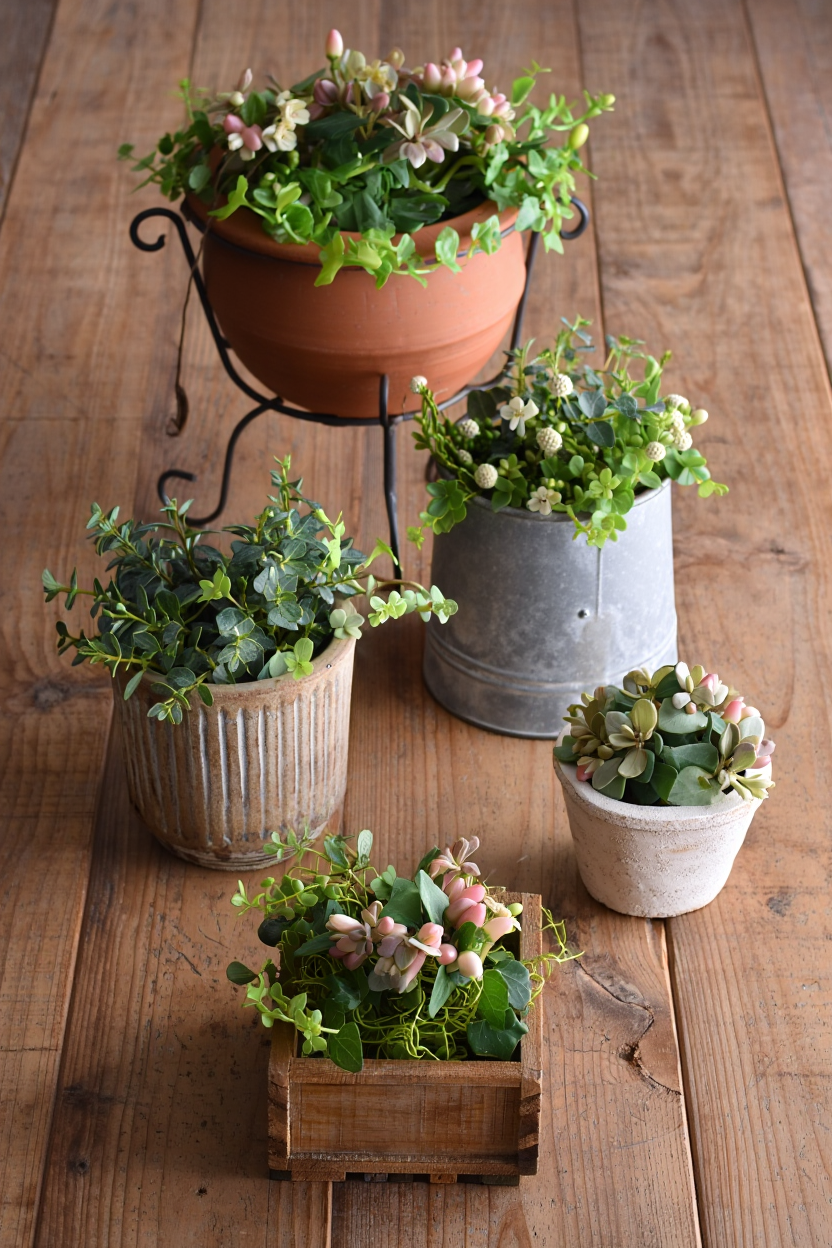
5 Rustic Planters That Turn Your Patio Into a Welcoming Garden Retreat
There's something deeply satisfying about stepping onto a patio lined with thriving plants in beautiful containers. It's not just about greenery—it's about creating a space that feels intentional, inviting, and quintessentially *yours*. If you've been scrolling through outdoor design inspiration and keep coming back to that weathered, farmhouse aesthetic, rustic planters might be exactly what your garden is missing.
The beauty of rustic planters lies in their versatility. Whether you're working with a sprawling backyard, a modest balcony, or a cozy corner patio, the right planter can anchor your outdoor space and set the tone for the entire area. Let's explore five tried-and-tested rustic planter styles that work beautifully together and discover how to style them for maximum impact.
What Makes a Planter "Rustic"?
Before we dive into specific styles, let's clarify what we mean by rustic planters. Rustic design celebrates natural imperfections—think weathered finishes, earthy materials, and a "lived-in" aesthetic. Rustic planters typically feature terracotta, ceramic, aged metal, or reclaimed wood. They often have:
- Visible texture and patina
- Warm, neutral color palettes (cream, terracotta, grey, aged brown)
- Simple, unfussy shapes
- A sense of history or age, whether authentic or intentionally distressed
This style pairs beautifully with climbing ivy, trailing succulents, bright annuals, and ornamental grasses. The contrast between the weathered container and vibrant foliage creates visual interest that feels both sophisticated and approachable.
5 Rustic Planter Styles Worth Your Investment
1. Classic Terracotta Urns
Let's start with a timeless choice: terracotta urns. These aren't just any clay pots—we're talking about those graceful, urn-shaped planters with subtle fluting or detailing around the rim. Terracotta is naturally porous, which means excellent drainage for your plants, and the material ages beautifully outdoors, developing a silvery-grey patina over time.
Style tip: Pair a large terracotta urn with trailing petunias or sweet potato vine on either side of your patio entrance. The vertical emphasis creates an immediate sense of welcome, and the neutral tone works with any house color. For a cohesive look, use matching urns at different heights to frame a seating area.
2. Weathered Ceramic Planters with Glaze Details
If solid terracotta feels too plain, consider weathered ceramic planters with subtle glaze work. These pieces often feature hand-applied glazes in soft blues, greens, or creams that look intentionally aged. The ceramic body is sturdier than terracotta and holds moisture slightly longer, making it ideal if you tend to forget to water during hot spells.
Style tip: These glazed ceramics shine when you create a small vignette. Group three planters of varying heights together, each planted with complementary textures—perhaps ornamental grasses in one, trailing ivy in another, and compact boxwood in the third. The visual repetition feels intentional rather than random.
3. Aged Metal and Galvanized Planters
Metal planters bring an industrial-rustic edge to outdoor spaces. Galvanized steel buckets, aged iron containers, or weathered copper vessels add character and a slightly nostalgic farmhouse vibe. Metal heats up quickly in sun, so these work best in partial shade or with heat-tolerant plants like sedums and salvias.
Style tip: A vintage-style galvanized metal planter works beautifully on a patio table or porch step, planted with trailing herbs like rosemary and thyme. You'll get the aesthetic appeal plus practical access to fresh herbs for cooking. The metallic finish also complements stone patios and wooden furniture naturally.
4. Reclaimed Wood Planters and Crates
Reclaimed wood brings authentic warmth to outdoor settings. Whether it's an old wooden crate, a weathered barrel planter, or a custom-built wooden box, these containers tell a story. The unpainted, naturally aged wood pairs beautifully with cottage gardens and relaxed outdoor spaces.
Style tip: Stack two wooden crates at different angles and fill them with trailing ivy and ornamental grasses for a dynamic, eye-catching arrangement. The irregular positioning feels more interesting than a symmetrical setup and works wonderfully in corners or along fence lines.
5. Distressed Concrete or Hypertufa Planters
Concrete and hypertufa (a lightweight concrete alternative) have exploded in popularity for good reason. These materials look beautifully weathered immediately—no waiting years for patina. They're also incredibly durable and work in any climate. Distressed finishes often show texture and age marks right out of the box.
Style tip: A large concrete planter with a slightly uneven rim feels less industrial and more artisanal. Plant it with architectural plants like ornamental kale or tall grasses for a contemporary-rustic look that bridges traditional farmhouse and modern minimalism.
Styling Your Rustic Planters for Maximum Impact
Create Height Variation
One of the most common styling mistakes is lining up planters at uniform heights. Instead, deliberately vary your heights using plant stands, stacked stones, or containers of different sizes. A tall urn next to a low, wide ceramic bowl creates visual rhythm that feels intentional and polished.
Mix Textures and Colors (Subtly)
Stick to a limited color palette—perhaps terracotta, cream, and soft grey—but vary the textures. Smooth ceramic beside rough terracotta beside aged metal creates interest without chaos. This restraint is what separates "rustic charm" from "cluttered yard."
Use Odd Numbers
Groups of three or five planters feel more natural to the eye than even numbers. This principle, borrowed from garden design, works whether you're arranging them in a line or clustered in a corner.
Choose the Right Plants
Rustic planters shine with plants that have substance and texture: trailing ivy, ornamental grasses, flowering vines, compact shrubs, or seasonal annuals in soft colors. Spiky plants like ornamental kale or cordyline add architectural interest without overwhelming the simple planter design.
Budget-Friendly Approach
You don't need to invest in high-end designer planters to achieve this look. Affordable terracotta urns from garden centers work beautifully, especially once planted and aged. You can also DIY distressed finishes on plain concrete planters using stain and a wire brush, or find vintage ceramic and metal containers at local antique markets and thrift stores.
The key is choosing quality basics—durable materials that will weather gracefully—rather than trendy pieces that look dated within a season.
Bringing It All Together
Rustic planters offer an accessible way to transform an ordinary patio into a garden retreat that feels both welcoming and thoughtfully designed. By mixing materials, varying heights, and choosing plants that complement the weathered aesthetic, you'll create an outdoor space that invites lingering—whether you're sipping morning coffee or enjoying an evening breeze.
Start with one or two statement planters and build from there. Let your space evolve naturally, and don't hesitate to experiment with different plant combinations until you find what feels right. The most beautiful gardens are the ones that reflect the personality and care of the person tending them.