5 Rustic Bird Feeders That Turn Your Front Yard Into a Cozy Farmhouse Garden
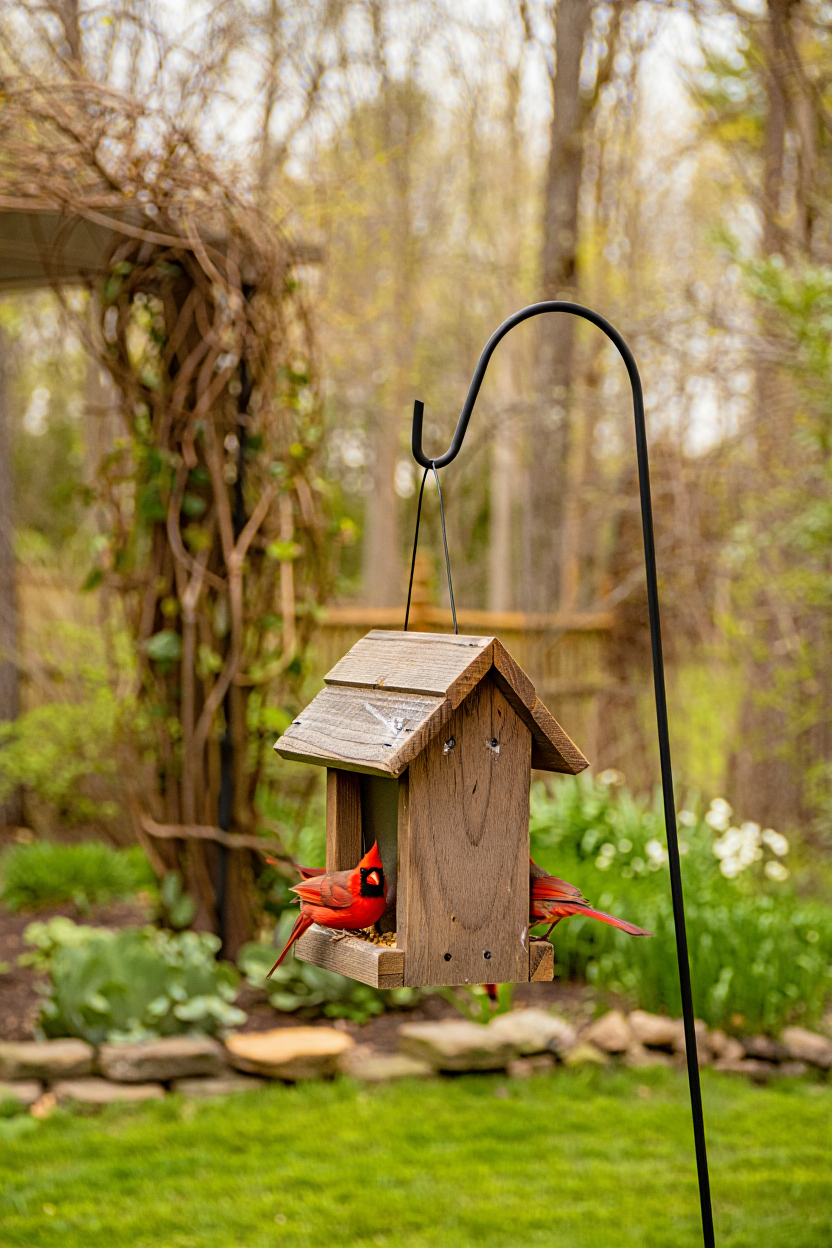
There's something deeply satisfying about watching cardinals, finches, and sparrows visit your front yard. Beyond the joy of birdwatching, a well-chosen bird feeder becomes a genuine landscape accent—one that adds rustic charm while serving a real purpose. If you're drawn to farmhouse aesthetics, a rustic bird feeder isn't just functional; it's a design statement that echoes the cozy, welcoming spirit of country living.
The right bird feeder combines weathered wood, wrought iron details, and timeless style to blend seamlessly with front yard landscaping. Whether your home features a cottage-style porch, a modern farmhouse exterior, or a traditional garden bed, a rustic feeder grounds the space with natural texture and warmth. Let's explore five styles that deliver both beauty and bird-attracting functionality.
Why Rustic Bird Feeders Work as Decor
A common misconception is that bird feeders are purely utilitarian—something you tolerate for wildlife's sake. But rustic designs challenge that assumption. When crafted from reclaimed-look wood, adorned with wrought iron brackets, or finished in weathered metal tones, a bird feeder becomes an intentional focal point.
Consider how a traditional farmhouse home relies on visible, functional elements to create character. A milk jug, an old ladder, or a vintage gate doesn't hide away—it's celebrated as decor. Rustic bird feeders follow the same logic. They invite birds to your yard while inviting guests to admire the thoughtful, intentional details of your outdoor space.
Beyond aesthetics, rustic feeders tend to be built sturdy. Weathered wood and iron construction withstand seasons of rain, sun, and wind. You're not replacing it yearly—it develops patina that only deepens its charm.
5 Rustic Bird Feeder Styles That Elevate Your Garden
1. Weathered Wood Post-Mount Feeders
The simplest rustic style is often the most effective. A post-mount feeder features a wooden base (often barn-wood or reclaimed-look timber) with a peaked roof that echoes farmhouse architecture. These sit on a sturdy wooden post in your garden bed or lawn, making them visible from porch windows and easy to refill.
What makes these special: the wood weathers naturally over time, developing silvery grey tones that complement any garden palette. The peaked roof sheds rain and snow, protecting seed from spoilage. Many designs include multiple feeding ports, attracting different species simultaneously.
Best for: front yard gardens where you want the feeder to anchor a planting bed or act as a subtle focal point near garden paths.
2. Wrought Iron Hanging Feeders
If you prefer a Victorian farmhouse vibe, wrought iron hanging feeders deliver old-world elegance. These suspend from shepherd's hooks, pergolas, or porch beams via a chain or hook mechanism. The iron typically features curlicued details and comes in matte black, bronze, or aged copper finishes.
What makes these special: they're sculptural enough to anchor a corner of your porch or garden without looking purely functional. Pair one with trailing ivy or hang it near flowering plants for a cottage-garden aesthetic. The iron ages beautifully, developing a subtle patina that's deeper than wood.
Best for: covered patios, pergolas, or hanging from a sturdy branch near a seating area where you can enjoy birdwatching up close.
3. Barn-Style Silo Feeders
These charming feeders mimic miniature barn silos—cylindrical designs with peaked metal roofs. Typically crafted from wood with metal banding or accents, they evoke the American farmstead aesthetic. The cylindrical shape accommodates more seed than traditional designs, so you'll refill less often.
What makes these special: they're conversation starters. Guests immediately recognize the architectural reference, and their scale fits organically into garden layouts. The elevated design keeps seed cleaner and birds safer from ground predators.
Best for: creating a farmstead vignette near your garden shed, along a fence line, or as part of a larger cottage garden display.
4. Copper-Roof Wooden Feeders
Combine the warmth of weathered wood with the patina potential of aged copper for a feeder that improves with time. These feature wooden bodies—often in natural or stained finishes—topped with copper roofing that develops a striking blue-green patina after exposure to the elements.
What makes these special: the copper roof catches light beautifully, especially in morning or golden-hour sunlight. The patina develops gradually, giving your front yard a story of seasons passing. It's the kind of detail that makes your home feel established and thoughtfully curated.
Best for: visible landscape positions where you want a touch of subtle luxury and your guests notice the refined details.
5. Rustic Woven Willow or Wicker Feeders
For a softer, more organic aesthetic, woven willow or wicker feeders offer textural interest. These feature hand-woven sides (often with protective sealant for weather resistance) and simple wooden or metal frames. They suit gardens leaning toward cottage or eclectic farmhouse styles.
What makes these special: they're lightweight, making them easier to hang or reposition. The open weave allows excellent drainage, keeping seed dry. They feel handmade and approachable—less formal than iron, warmer than polished wood.
Best for: informal gardens, near perennial borders, or hung from a rustic branch fixture where texture and naturalism are your design goals.
Styling Tips: Bird Feeders as Part of Your Garden Design
A single bird feeder is lovely, but intentional placement transforms it from accessory into focal point.
- Layer heights: Combine a post-mount feeder with a hanging feeder above it. This creates visual rhythm and attracts more bird species, as different birds prefer different feeding heights.
- Surround with plantings: Position feeders near shrubs or perennials that provide shelter for birds and frame the feeder visually. Native flowers that produce seeds also naturally attract wildlife.
- Use as anchors: A tall post-mount feeder can anchor a garden bed's center, with lower plantings arranged around it radiating outward.
- Repeat the material: If you choose a copper-roof feeder, echo that material elsewhere—in a rain barrel, birdbath, or garden sculpture—to create cohesion.
- Light it subtly: String lights or a nearby garden lantern cast the feeder in warm evening light, extending its visual impact into dusk.
What Attracts Which Birds
Different feeders and seed types attract different species. Black oil sunflower seeds draw cardinals and finches. Nyjer (thistle) seed attracts finches and small songbirds. Suet attracts woodpeckers and nuthatches, especially in winter.
Choose feeders with adjustable or multiple seed ports so you can experiment and attract a diverse bird population. This variety keeps your garden feeling alive and dynamic throughout seasons.
Final Thoughts
A rustic bird feeder isn't a compromise between form and function—it's an integration of both. It serves your feathered visitors while grounding your front yard in the aesthetic warmth of farmhouse design. The best feeders are built to last, weather gracefully, and look more beautiful as time passes.
Whether you choose weathered wood, wrought iron, or copper accents, you're investing in a piece that becomes part of your home's story. Ready to explore rustic bird feeder options? Browse our collection of affordable, beautifully designed feeders that bring both birds and charm to your outdoor space.